United Kingdom is still growing but at far slower pace, due, in part, to the Brexit. This is one of the outcomes underscored by the International Monetary Fund in the Staff report on the 2017 Article IV Consultation on this European country.
Following a referendum in mid-2016, the UK government has started the process of exit from the European Union, aiming at broad agreement on the new economic relationship with the EU by March 2019.
Sterling depreciated sharply after the referendum, pushing up inflation and depressing private consumption.
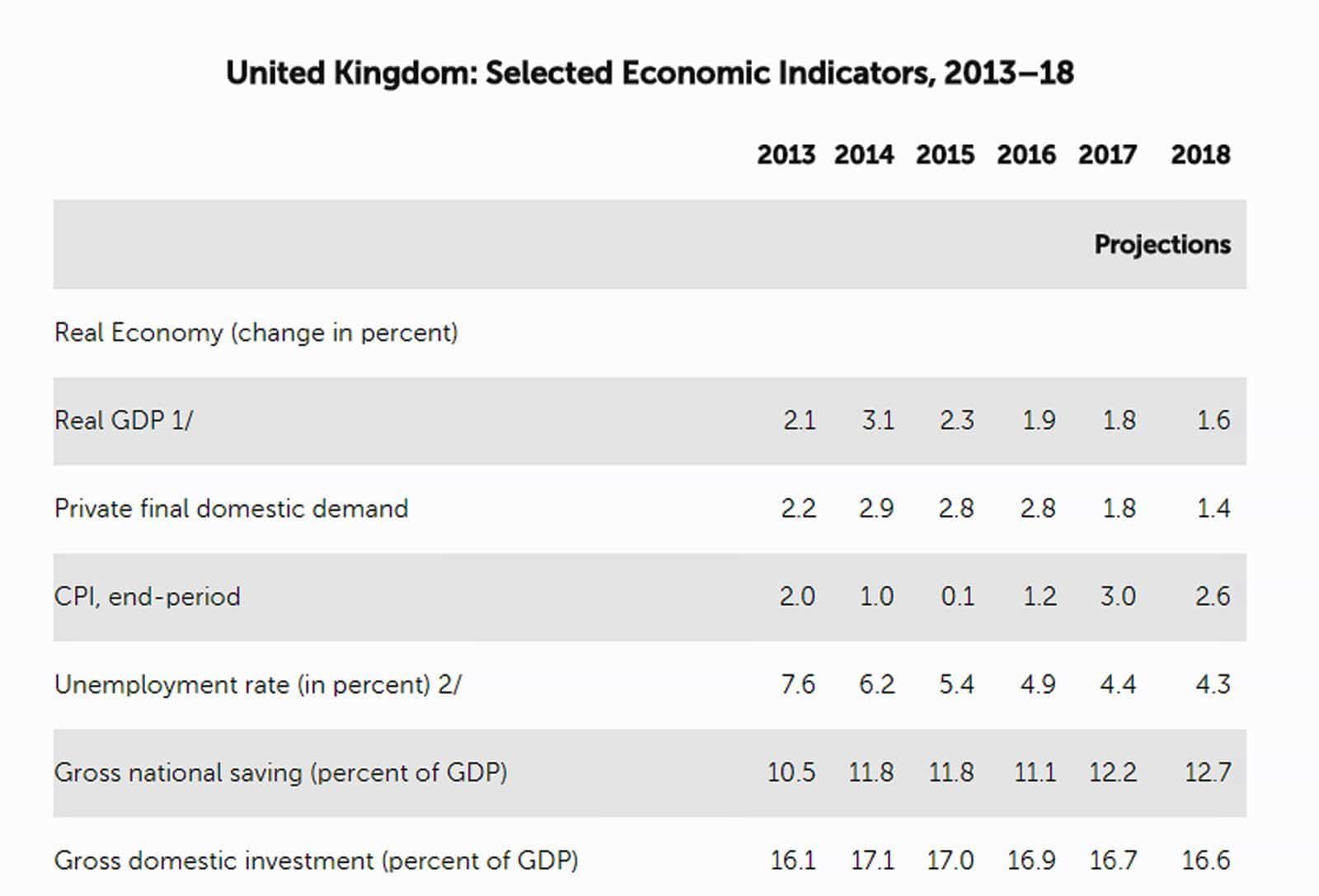
Business investment growth has been constrained by continued uncertainty about the future trade regime.
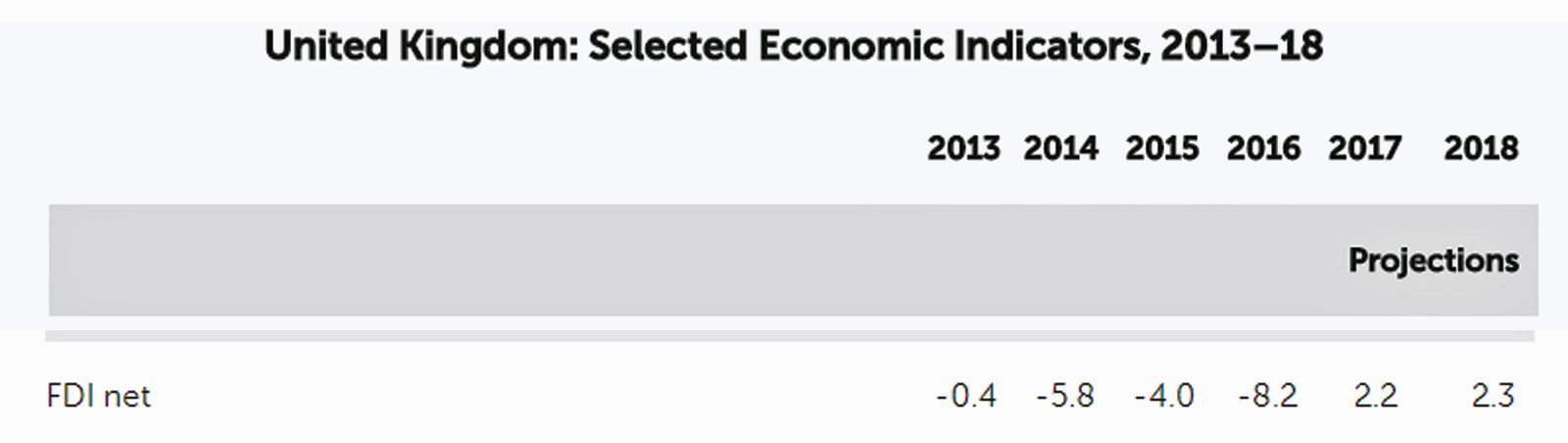
“This uncertainty will continue to weigh on growth,” says the IMF Executive Board assesment, “and the outlook depends crucially on the outcome of the negotiations with the EU. At the same time, significant risks remain, on both the domestic and external fronts. Directors agreed that policies should focus on maintaining stability and investor confidence, raising productivity growth and household saving, and reducing the current account deficit.”
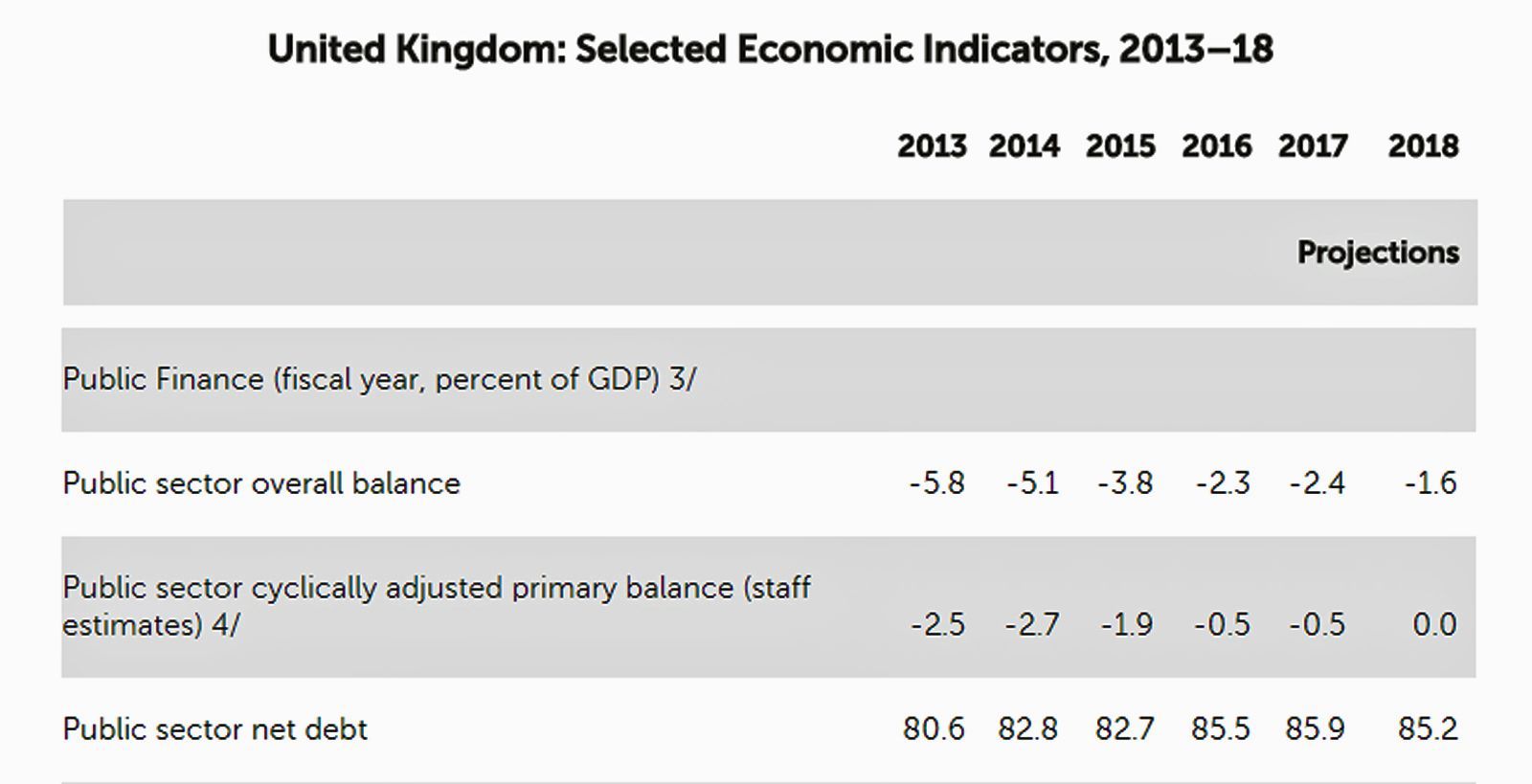
Directors welcomed the recent progress in negotiating the U.K. departure from the EU, which allowed discussion to move to issues related to a transition period and the framework for the future relationship. They encouraged both parties to continue their best efforts to reach the most beneficial outcome, limit disruptions and global spillovers, and more specifically, minimize barriers to trade, services, and labor flows.
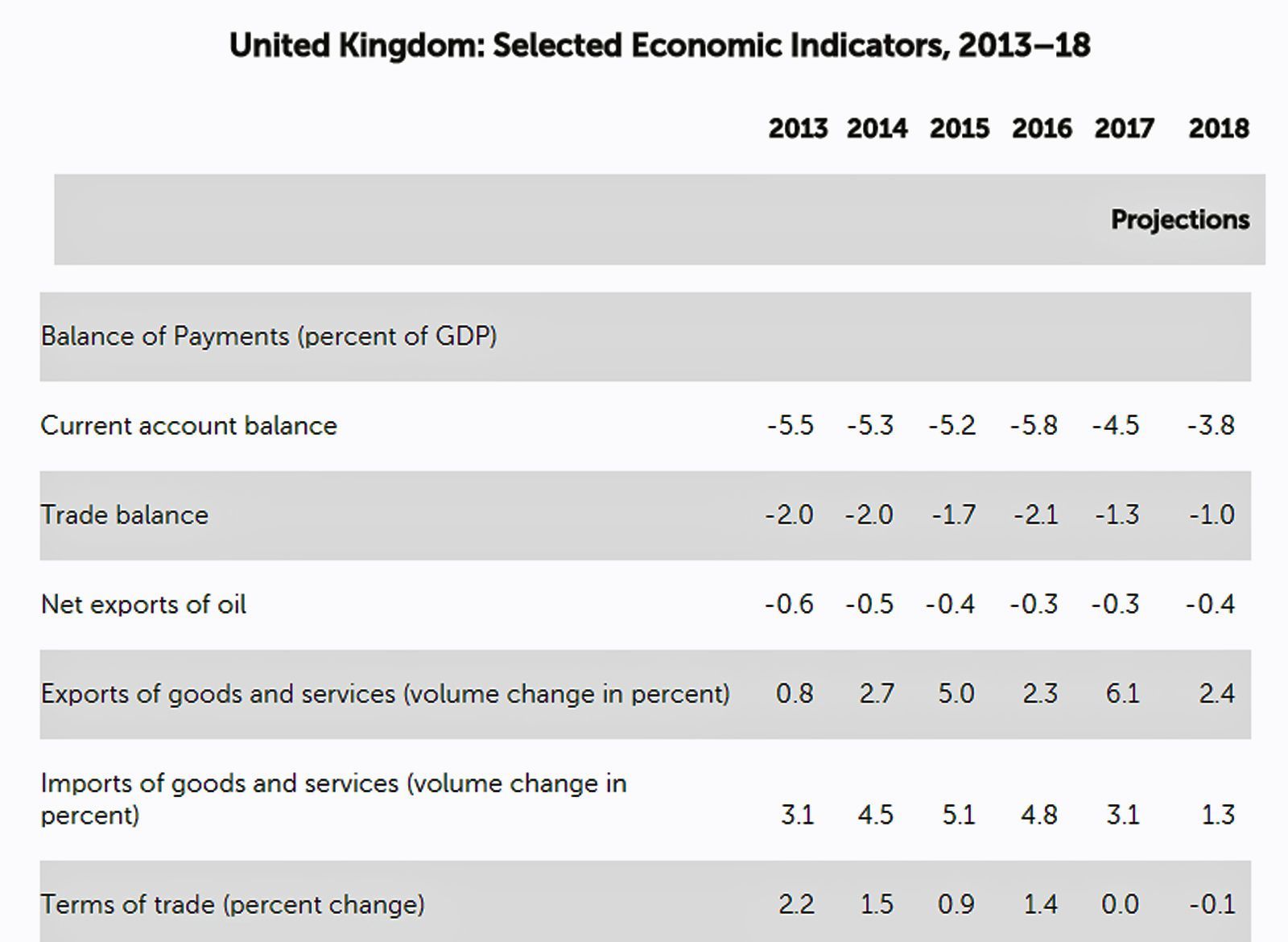
UK growth moderated in 2017 despite significant monetary policy accommodation and strong trading partner growth, and is expected to remain subdued in the near term.
Over the medium term, growth prospects will depend on the extent of recovery of labor productivity, which has been very low since the financial crisis.
Directors welcomed the resilience of the U.K. financial sector, owing in part to post‑crisis regulatory reform. They encouraged the authorities to maintain robust prudential and supervisory standards, and continue monitoring consumer credit and bank risk weights.
Directors commended the authorities for proactively helping financial institutions prepare for the exit, given the uncertainties regarding the future of financial service arrangements with the EU.
They called on all parties involved to work together to mitigate transition risks related to changes in regulatory regimes and responsibilities. More generally, they underscored the importance of close cross-border cooperation in a potentially more fragmented European financial system.
Directors agreed that structural reforms should prioritize enhancing productivity, inclusiveness, and external competitiveness.
They welcomed the planned increase in infrastructure investment and the improved framework for selecting and implementing infrastructure projects. They encouraged sustained efforts to strengthen human capital and boost housing supply.
Directors looked forward to further progress in enhancing AML/CFT supervision and information sharing, building on recent reforms to improve corporate transparency.
Image over the headline.-
Related external links: