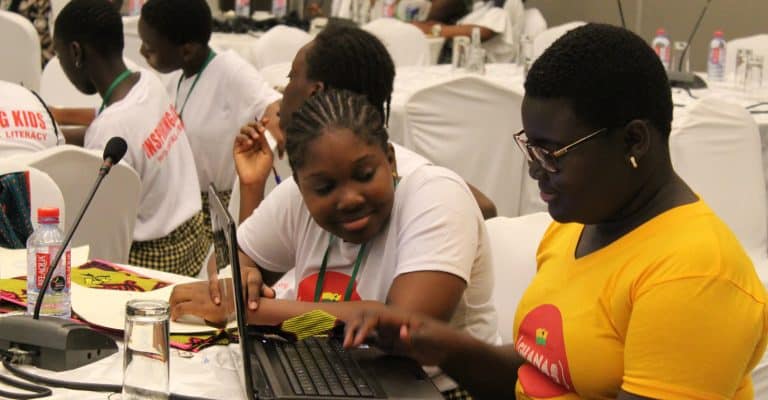
While women accounted for one in three (33%) researchers in 2018 and they have achieved parity (in numbers) in life sciences in many countries, women make up just one-quarter (28%) of tertiary graduates in engineering and 40% of those in computer sciences.
Those are some of the data published by UNESCO that show that women are still a minority in te 4.0 sector, when there is a great shortage of skilled people in these fields that are driving the so called Fourth Industrial Revolution.
“…We must put the principle of equality into action so that science works for women, because it works against them all too often, for example, when algorithms perpetuate the biases of their programmers. Despite a labour shortage in this field, studies have shown that women account for just 22% of professionals working in artificial intelligence and 28% of engineering graduates. And when they found their own start-ups, women receive less than 3% of total venture capital compared to men,” Sima Bahous, Executive Director of UN Women and Audrey Azoulay, Director-General of UNESCO said on an statement published last 11th February, on the occasion of the International Day of Women and Girls in Science 2024.
Women remain a minority in technical and leadership roles in tech companies. Further, just one in four researchers in the business world is a woman and, when women start up their own business, they struggle to access finance. In 2019, only a 2% of venture capital was directed towards start-ups founded by women.
And even most important, the main reason given by women in the USA for leaving their job in the tech world is a sense of being undervalued.

Betty Snyder Holberton, Jean Jennings Bartik, Kathleen McNulty Mauchly Antonelli, Marlyn Wescoff Meltzer, Ruth Lichterman Teitelbaum and Frances Bilas Spence (1940’s),where the female anonymous students from the University of Pennsylvania who did the programming foundations for ENIAC (Electronic Numerical Integrator and Computer), one of the key computing weapons that contributed to the end of World War II. Despite this all the merit went to the male engineers John Presper Eckert and John William Mauchly who introduced it to the world in 1946.
In general, female researchers tend to have shorter, less well-paid careers. Their work is underrepresented in high-profile journals and they are often passed over for promotion.
No STEM parity whichever the level of the development in the country might be
Although Science, Technology, Engineering and Mathematics (STEM) fields are widely regarded as critical to national economies, so far most countries, no matter their level of development, have not achieved gender equality in this field.
Women are typically given smaller research grants than their male colleagues and, while they represent 33.3% of all researchers, only 12% of members of national science academies are women.
First gender parity goal: doubling the share of women working in the T&I sector by 2026
Last year, at the Generation Equality Forum, the Action Coalition on Technology and Innovation was launched, bringing together governments, private sector companies, the UN system and civil society in order to make concrete commitments to women and girls in STEM.
By 2026, the Action Coalition aims to double the proportion of women working in technology and innovation, and ensure that women and girls participate fully in finding solutions to the largest and most complex problems of our lives.
But there’s still a long way to go.
A systemic disparity cutting mankind’s ability to solve major challenges
UN Secretary General Antonio Guterres said on the occasion of the International Day of Women and Girls in Science:”Gender equality in science is vital for building a better future for all. Unfortunately, women and girls continue to face systemic barriers and biases that prevent them from pursuing careers in science.
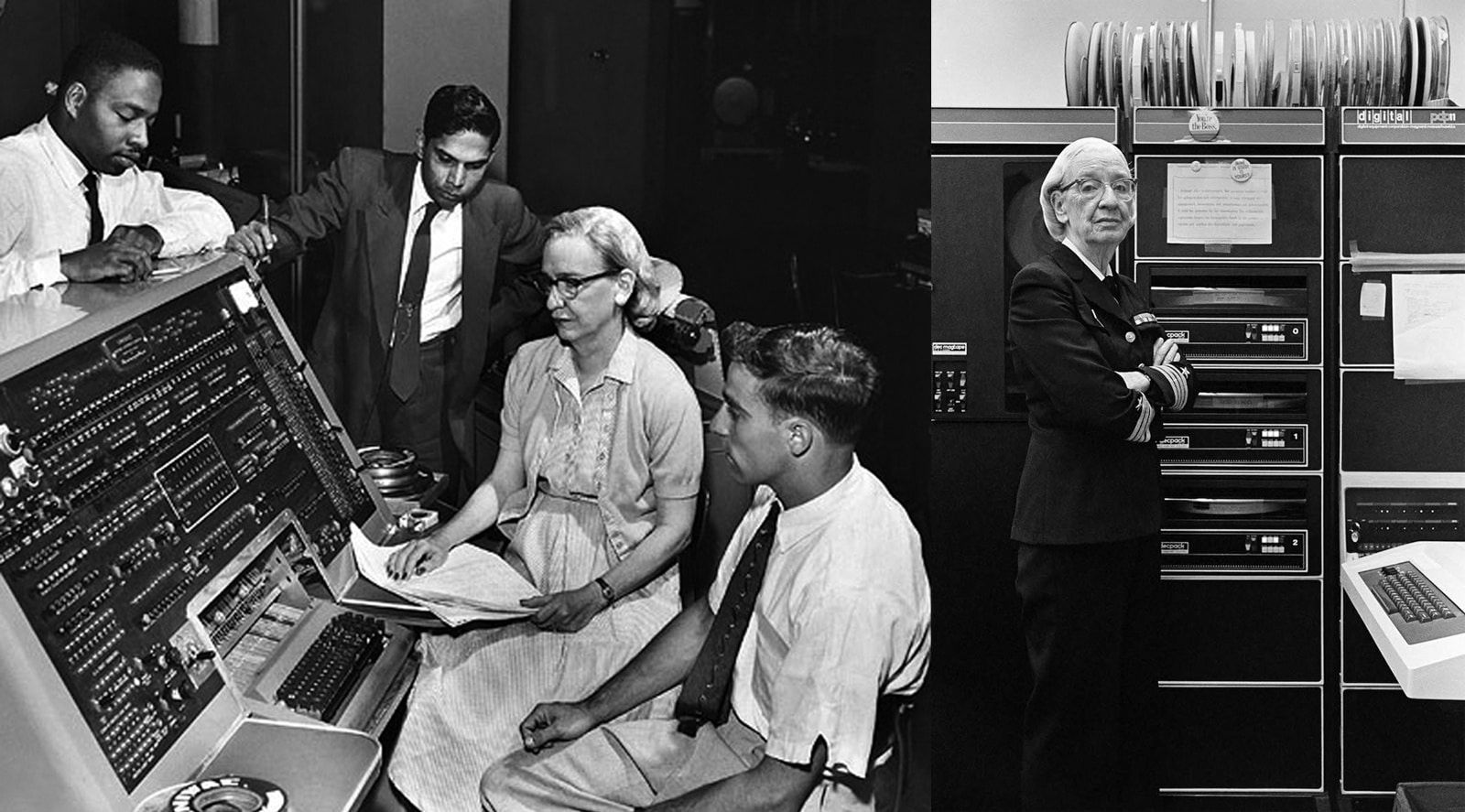
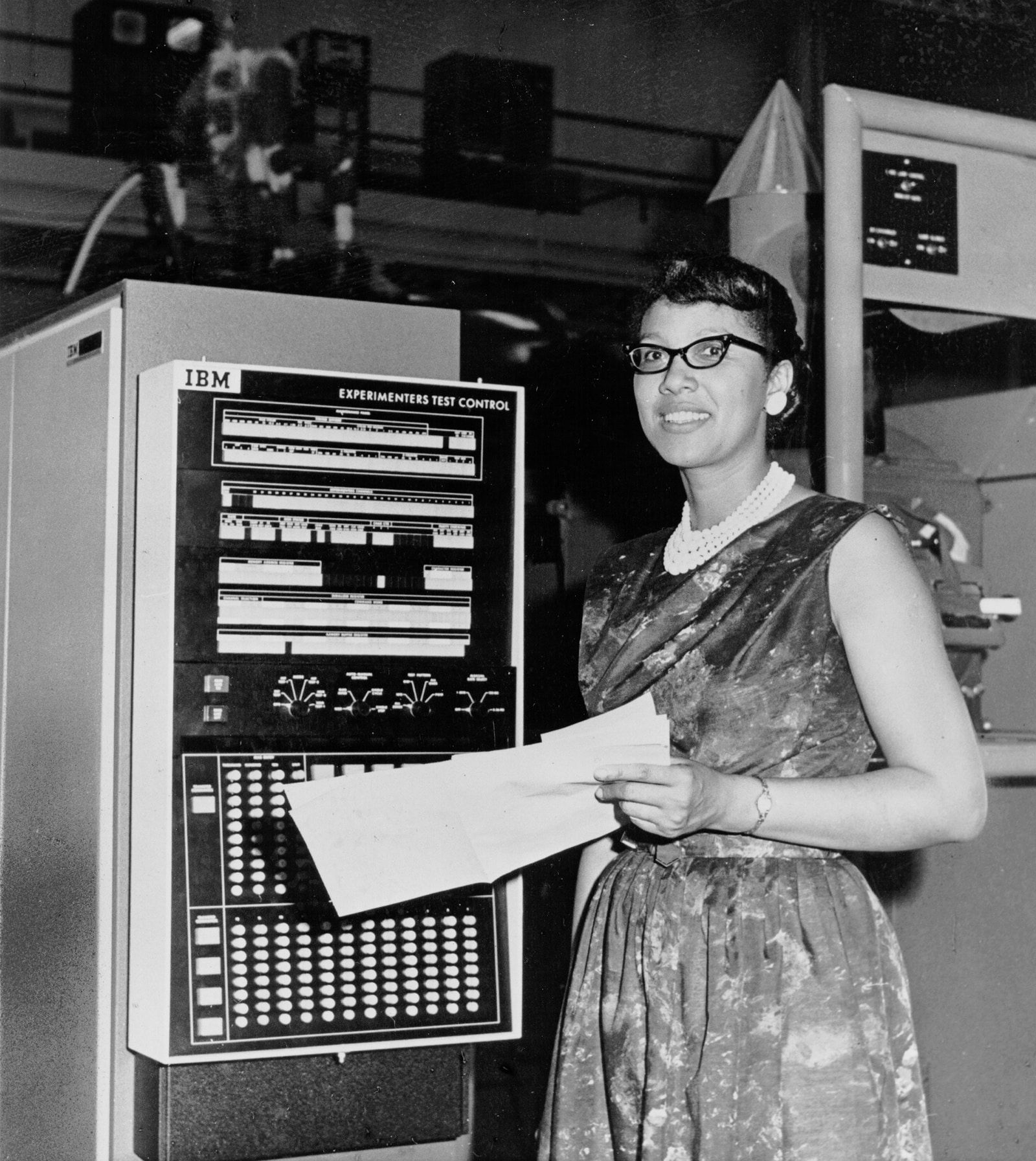
Image on the right, by Lynn Gilbert though Wikimedia Commons. To watch the original image and read the terms of the lisense, click here.
And UN Secretary general continued: “…This deprives our world of great talent. Today, women make up only one-third of the global scientific community, obtaining less funding, fewer publishing opportunities and fewer senior positions at top universities than men. In some places, women and girls have limited or no access to education, an act of self-harm for the societies concerned, and a terrible violation of human rights.
From climate change to health to artificial intelligence, the equal participation of women and girls in scientific discovery and innovation is the only way to ensure that science works for everyone.
Closing the gender gap requires dismantling gender stereotypes and promoting role models that encourage girls to choose science; developing programmes to support the advancement of women in science; and cultivating a working environment that nurtures the talents of all, including women members of minority communities.
Women and girls belong in science. It is time to recognize that inclusion fosters innovation, and let every woman and girl fulfil her true potential.”
“The major challenges the world faces today, from COVID-19 to climate change, need our brightest scientific minds to solve them. However, only one in three scientists is a woman. This glaring disparity does not just hamstring our ability to find solutions to our common challenges, it keeps us from building the societies we need. And the disparity is systemic.””…Science derives from the universal curiosity that makes us human, asking the questions that are common to us all. We urgently need it to build more inclusive, transformative and accountable science and technology ecosystems that are free of biases and discrimination. In so doing, we will be able to accelerate the Sustainable Development Goals, and address the challenges that impact us all,” add Sima Bahous, Executive Director of UN Women and Audrey Azoulay, Director-General of UNESCO on their statement.