The BP-Bunge joint venture approved today by the EU Commission still pending Johnson’s Brexit agreement approval or rjection by The House of Commons, will be active in sugar cane cultivation, production of sugar and ethanol, and electricity co-generation from sugar cane bagasse in Brazil.
Under their agreement, BP and Bunge will each contribute their existing Brazilian biofuel, biopower and sugar businesses into the new, equally-owned, standalone joint venture. On completion, BP will pay Bunge $75 million, subject to customary closing adjustments, and the joint venture will assume $700 million of non-recourse debt associated with Bunge’s assets.
The new business is expected to be headquartered in São Paulo. Mario Lindenhayn from BP will be Executive Chairman, Geovane Consul from Bunge, chief executive, and Marcus Schlosser from BP, chief financial officer. BP and Bunge will have equal representation on the Board of Directors.
The Commission concluded that the proposed transaction would raise no competition concerns because the joint venture has no actual and foreseen activities within the European Economic Area.
Subject to satisfaction of conditions precedent, including obtaining the necessary regulatory clearances and approval, the deal is expected to complete in the fourth quarter of 2019.
The clearance of the jv agreement to create BP Bunge Bioenergia in Brazil comes shortly after the British energy multinational announced that Bernard Looney will succeed Bob Dudley as BP Chief Executive. Dudley will get retired by March 2020.
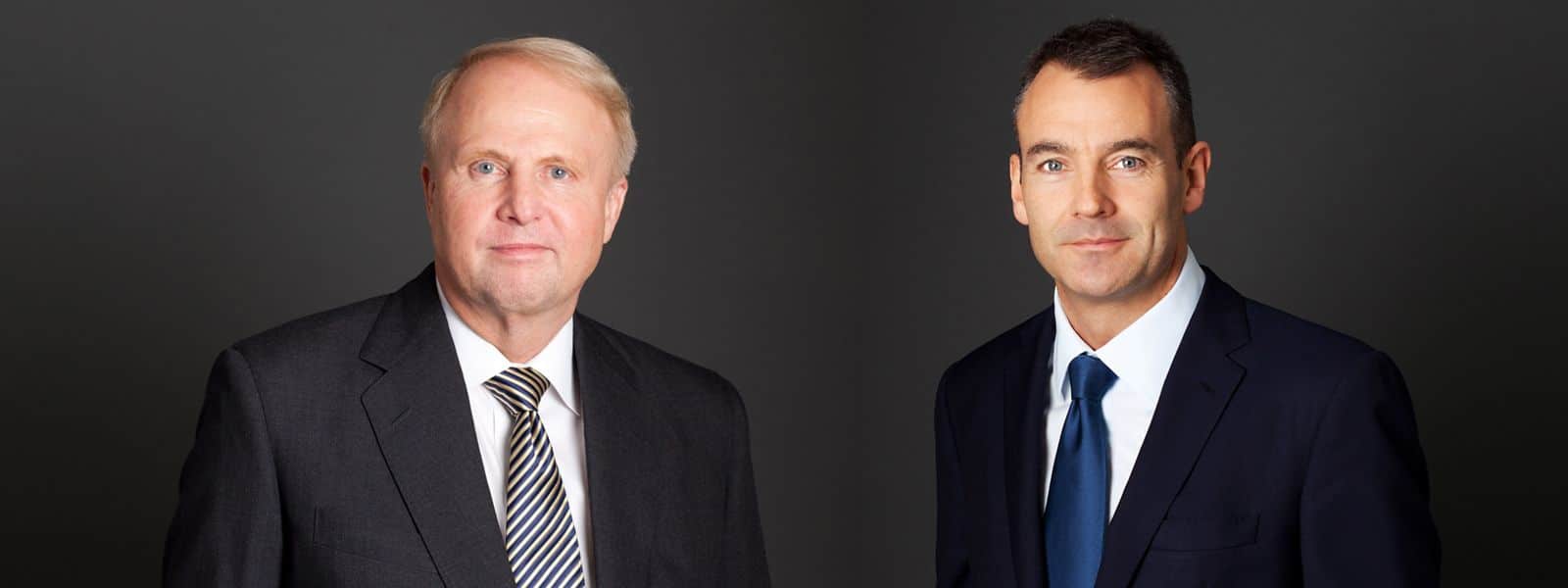
Lamar McKay, deputy group chief executive agreed to serve as chief transition officer. In this new role, McKay is currently supporting the Chairman and incoming group chief executive to ensure a full and orderly transfer of leadership.
BP’s current biofuels business, to grow over a 50%
The combination of BP’s Brazilian biofuels and biopower businesses with Bunge in the new joint venture will grow BP’s existing biofuels business by more than 50% .
The 50%-50% jv will create a world-scale, highly-efficient producer of sugarcane ethanol in Brazil.
BP is active in the exploration, development and production of oil and gas. Headquartered in the USA, Bunge operates in the agri-food sector, with activities including trading in oil seeds and cereal, grains, and the production and marketing of edible oils.
Second largest player in the sugar cane ethanol biofuel industry in Brazil
BP Bunge Bioenergia will have 11 biofuels sites in Brazil.
With 32 million metric tonnes of combined crushing capacity per year, the joint venture will have the flexibility to produce a mix of ethanol and sugar. It will also generate renewable electricity – fuelled by waste biomass from the sugar cane – through its cogeneration facilities to power all its sites and sell surplus electricity to the Brazilian power grid. BP and Bunge’s assets are largely complementary, with sites in five Brazilian states including three in the key region of São Paulo.
In 2018, the two businesses produced a total of around 2.2 billion litres of ethanol equivalent and, after powering the sites, exported 1,200 gigawatt hours of low-carbon biopower to the national grid.
The combined business will be ranked the second largest player in the sugar cane ethanol biofuel industry in Brazil by effective crushing capacity.
Together the two businesses currently employ over 10,000 people in Brazil.
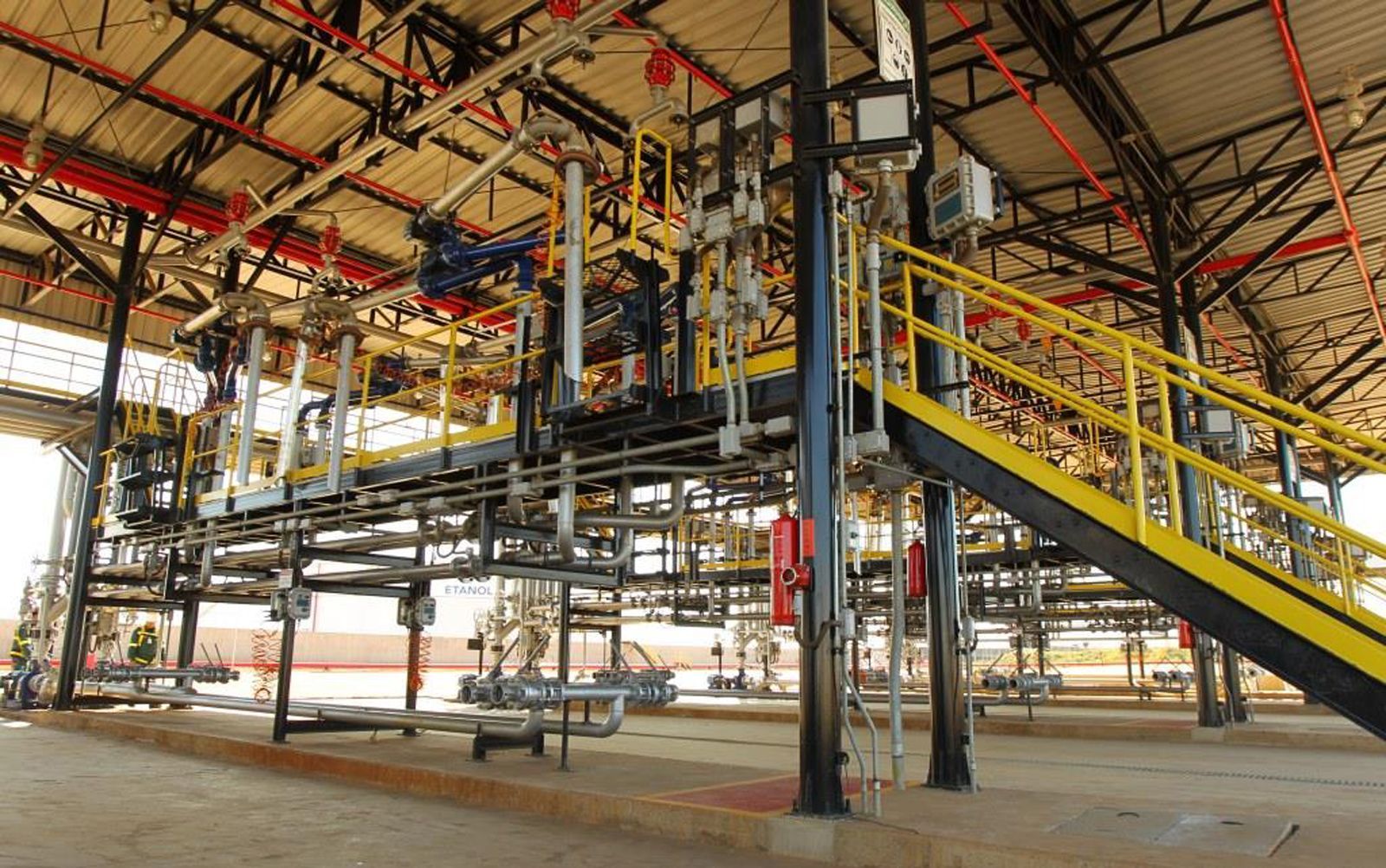
Ethanol produced from sugarcane is one of the most carbon-efficient biofuels available globally, with lifecycle greenhouse gas emissions around 70% lower than conventional hydrocarbon transport fuels. Brazil is the world’s second largest and most integrated market for ethanol as a transportation fuel with demand forecast to grow rapidly. The majority of vehicles in the country (around 70% ) are already able to run on ethanol and the country’s demand for ethanol is estimated to increase by around 70% by 2030.
In 2018 the Brazilian production of ethanol was some 26 billion litres, produced almost entirely from sugarcane grown in-country. The Brazilian government is introducing a new low carbon transport policy, known as RenovaBio, to establish the first regulated carbon credits market in the country. RenovaBio is expected to encourage continued growth in the market and support development of the sugarcane ethanol industry.
Promoted to CE after almost 28 years working at BP
Bernard Looney has run BP’s Upstream business since April 2016 and has been a member of the company’s executive management team since November 2010.
As chief executive, Upstream, Bernard is responsible for all BP’s oil and gas exploration, development and production activities worldwide. The Upstream segment includes some 17,000 people operating across almost 30 countries and produces around 2.6 million barrels equivalent of oil and gas a day.
Upstream, BP is today one of the international companies with the largest deepwater exploration portfolios in the country with interests in 25 oil and gas blocks – operating six – in five different Brazilian geological basins.
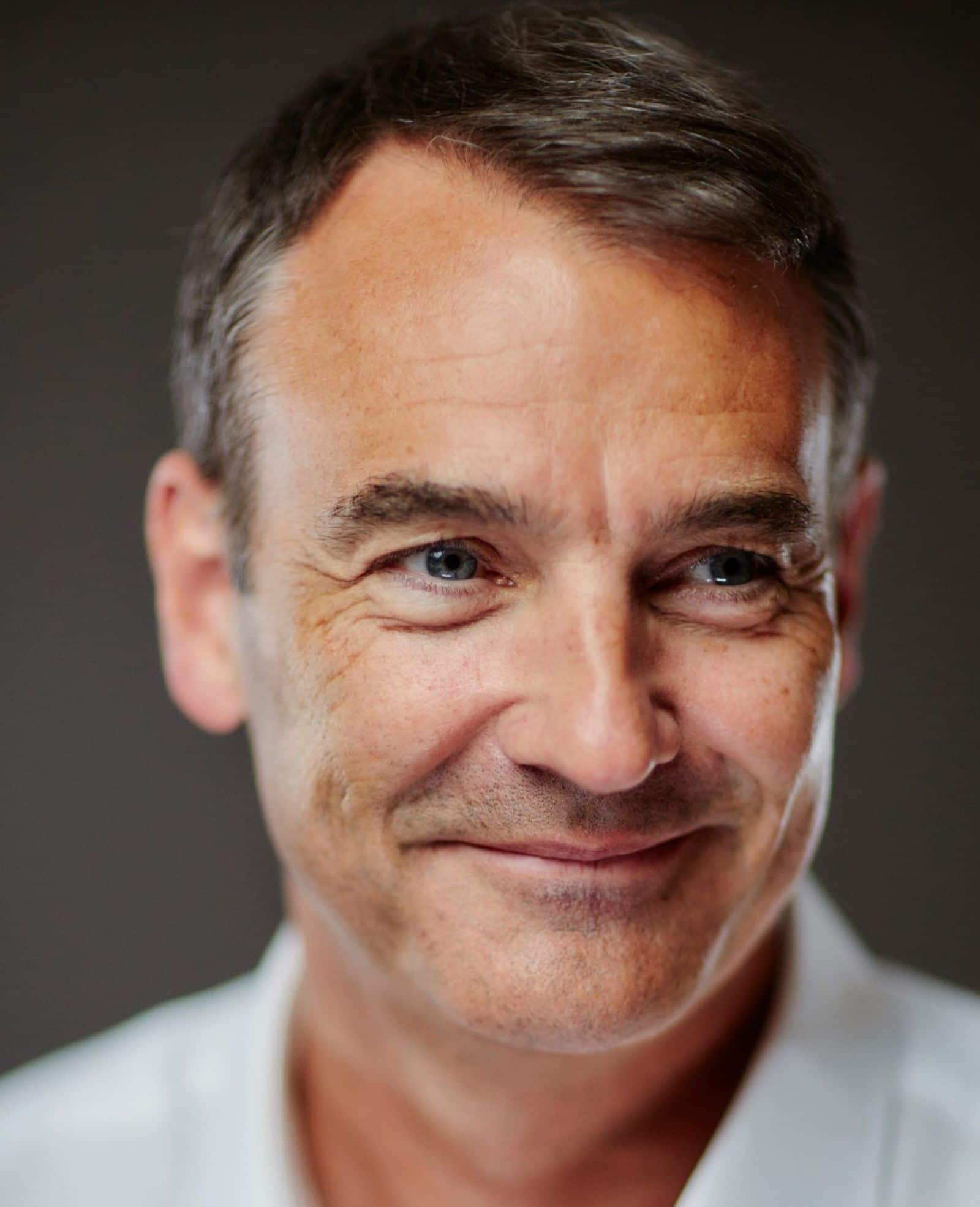
During his tenure, process and personal safety performance has improved by 35% and 20% respectively and production has grown by 20%, driven largely by 23 major project start-ups – delivered ahead of schedule and under budget.
He has led access into new countries, including Mauritania and Senegal, high-graded the portfolio with the acquisition of onshore US assets from BHP Billiton and the proposed sale of the Alaska business, and created innovative new business models such as Aker BP in Norway.
Bernard Looney has encouraged BP to lead the industry on methane detection methods as well as driving sustainable emissions reductions of almost 3 million tonnes CO2 equivalent in the past two years.
Looney joined BP in 1991 as a drilling engineer and worked in operational roles in the North Sea, Vietnam and the Gulf of Mexico, including as drilling engineer on the discovery of the giant Thunder Horse field. After a period in BP Alaska, he became head of the group chief executive’s office, working directly for BP chief executives Lord Browne and then Tony Hayward.
An Irish citizen, Bernard grew up in County Kerry and in 1991 gained a degree in Electrical Engineering from University College Dublin. He later, in 2005, gained a MS in Management from Stanford Graduate School of Business.
Bernard Looney is a fellow of the Royal Academy of Engineering, a fellow of the Energy Institute and is also a mentor in the FTSE 100 Cross-Company Mentoring Executive Programme.
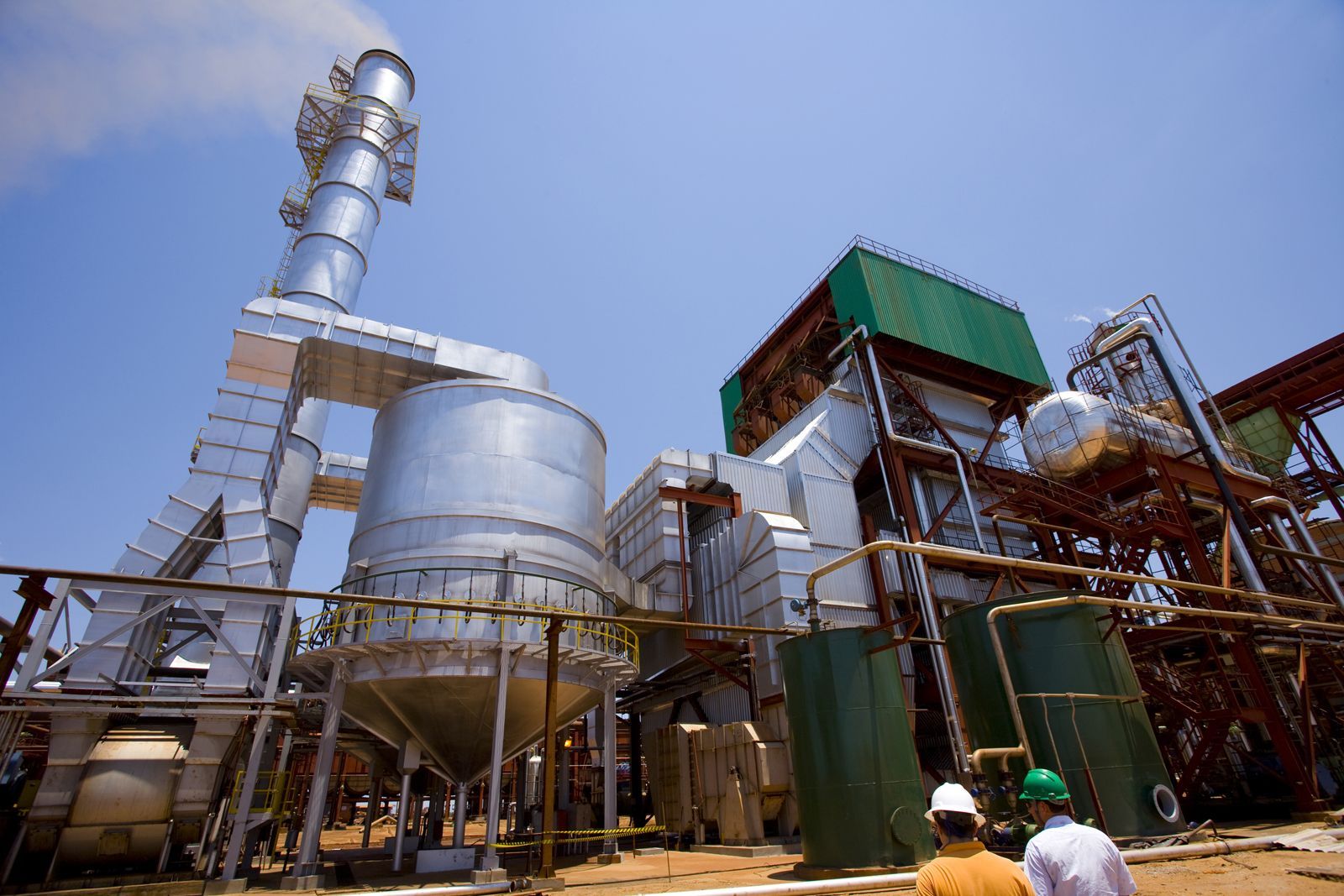
Image over the headline.- Tropical BioEnergia biofuel field. BP & Tropical BioEnergia have a biofuels joint venture, established by Santelisa Vale, the second-largest sugarcane crusher in Brazil.© BP, plc.
Related Eastwind links (old platform):
British Petroleum purchases a 50% of the Brazilian Tropical BioEnergia
BP returns to E&P and grows ethanol in Brazil
BP increases biofuels share in Brazil and starts off strategic alliance with Reliance in India