The EU Commission unveiled today the first industry-related set of initiatives is the first industry-related package under the Digital Single Market strategy, which was announced by President Juncker in Paris in October 2015
The initiatives proposed today by the Commission are organised around four drivers: The launch of the first open pan-European cloud; digitisation of industry; priority standards to boost digital innovation; and digital public services
The set presented today follows a first group of proposals adopted in December 2015 on copyright and digital contracts as well as draft decision on spectrum coordination in February 2016 The Digital Single Market strategy includes 16 initiatives to be presented by the end of this year.
All these measures presented today and in a broader sense the digital single market are expected to be specially benefitial for small and medium enterprises (SMES).
Pan European e-cloud providing for open knowledge access
The idea is investing €50 million euros in a pilot program of e-cloud with restricted access just including some knowledge hubs like universities and so on….Then by 2020 there will come the bulk of the investment to set up he open pan-European cloud. The Eu Commission is thinking about a private-public financed model and firs investment by the EU could source finds from the 70Bn EU research program.
The aim of the pan-European cloud is setting an open structure to share knowledge changing the principle pay per read into read for free.
This approach wouldn’t affect the chance to monetise innovation, as the read for free model would just apply to knowledge sources not to the ideas, that will keep protected.
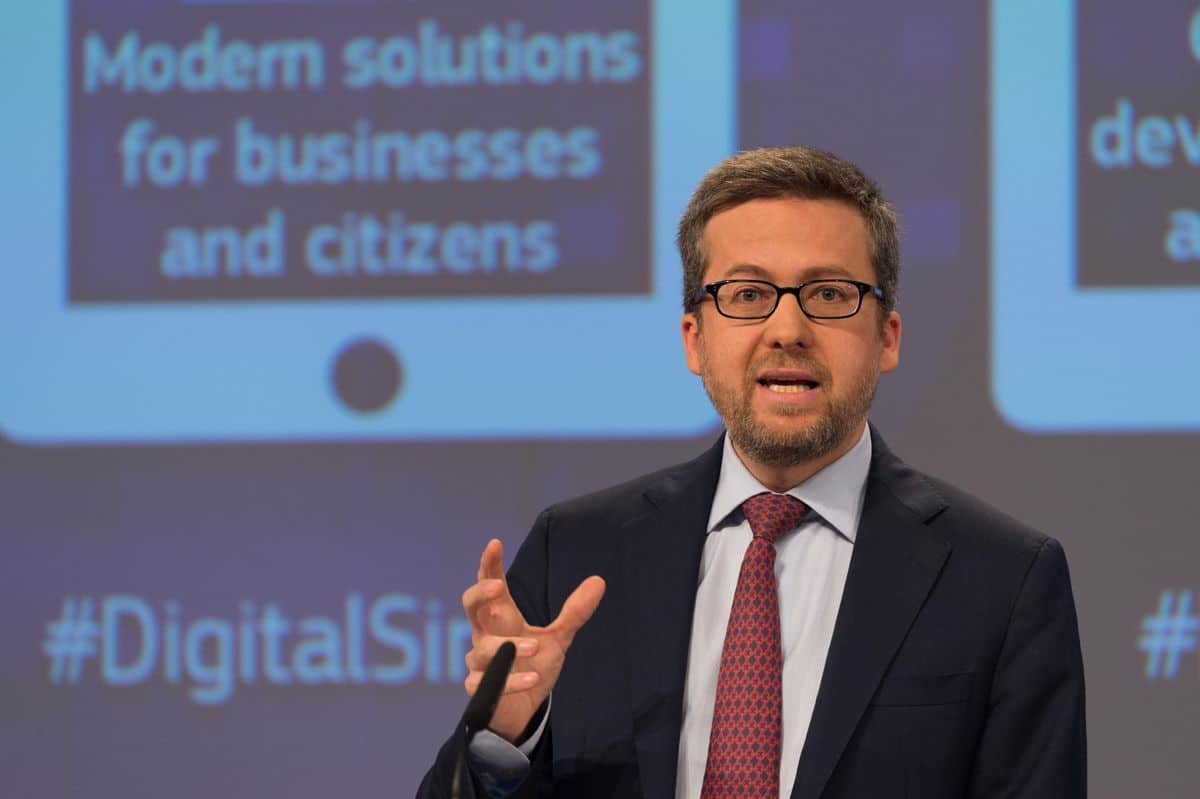
The cloud will become an open access cloud for researchers, companies and individuals once finished the pilot period by 2020. At least this said Carlos Moedas, Member of the EC in charge of Research, Science and Innovation during the press conference held today.
Digitizing industries and setting pan European standards for connected devices
EU Commission estimates that stoday’s plans should mobilise over €50Bn of public and private investments in support of the digitisation of industry within the European Union.
While many parts of the economy have been quick to take up digital technologies and processes, European industry across sectors and regardless of a company’s size must fully use digital opportunities if it is to be globally competitive.
Traditional sectors (like construction, agro-food, textiles or steel) and SMEs are particularly lagging behind in their digital transformation. Recent studies estimate that digitisation of products and services will add more than €110Bn of revenue for industry per year in Europe in the next five years.
But a comprehensive approach at European level is needed to avoid fragmented markets and to reap the benefits of digital evolutions such as the Internet of things.
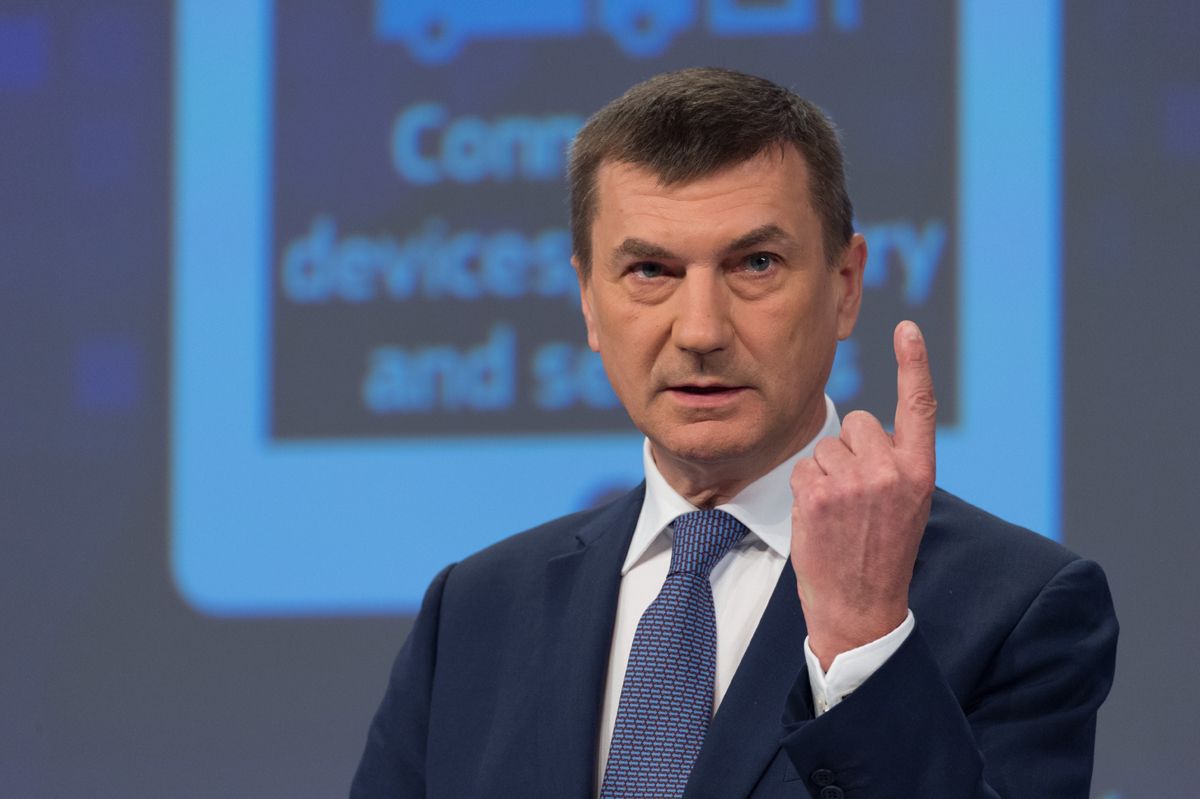
The Commission estimates it is needed €500 million investment yearly in innovation hubs to help SMS take the pace of the digital revolution in Europe, as explained by Andrus Ansip, Vice-President of the EC in charge of Digital Single Market.
On the quesion about how is the EC financing the initiatives proposed today, Günther Oettinger, Member of the EC in charge of Digital Economy and Society said that it is expected that private companies will contribute and not only by investment but perhaps also paying a charge for the services to be provided by the knowledge hubs.
Besides the Commission will encourage companies and Estates taking advantage of he
the EU Investment Plan and European Structural and Investment Funds.
In the Digital Single Market, billions of connected devices, including phones, computers and sensors, should communicate safely and seamlessly, regardless of their manufacturer, technical details or country of origin. For this they need a common language: standards. And this development and adoption of standards will be encouraged by the EU Commission.
Digital public services
People and businesses are still not reaping the full benefit from digital public services that should be available seamlessly across the EU. Today’s e-government action plan will modernise digital public services and make the EU a better place to live, work and invest. The Commission put forward 20 measures to be launched by the end of 2017, including: set up a digital single gateway; interconnect all business registries and insolvency registers and all together to the e-justice portal, which will become a one-stop shop; “once-only” principle for businesses across borders, or what it is the same, making posible that companies only need to provide paperwork to public authorities in one EU country, even if they operate in other EU Member States; companies will only need to provide paperwork to public authorities in one EU country, even if they operate in other EU Member States; and accelerating e-procurement, e-signatures and implementation of the “once-only” principle in public procurement

Measures like the “once-only” principle will reduce the average €9,000 in licenses any company must pay each time it wants to establish operations in aonther country within the European Union, underscored Ansip, and this will benefit all companies but specially SMS, for which these amounts of money really make a difference .
The six action package to digitise European industry
Around the digtising driver the Commission has proposed the following six actions to achieve the goal:
1.- Helping coordinate national and regional initiatives on digitising industry by maintaining a continuous EU-wide dialogue with all actors involved. A governance framework will be set up with Member States and industry.
2.- Focussing investments in EU’s public-private partnerships and strongly encourage the use of the opportunities offered by the EU Investment Plan and European Structural and Investment Funds.
3.- Investing €500 million in a pan-EU network of digital innovation hubs (centres of excellence in technology) where businesses can obtain advice and test digital innovations.
4.- Setting up large-scale pilot projects to strengthen internet of things, advanced manufacturing and technologies in smart cities and homes, connected cars or mobile health services.
5.- Adopting future-proof legislation that will support the free flow of data and clarify ownership of data generated by sensors and smart devices. The Commission will also review rules on safety and liability of autonomous systems.
6.- Presenting an EU skills agenda that will help give people the skills needed for jobs in the digital age.
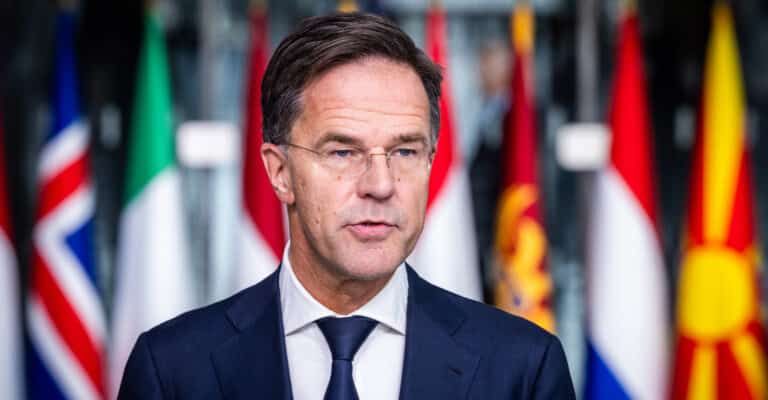
Image over the headline.- From left to right : Carlos Moedas (Member of the EC in charge of Research, Science and Innovation), Andrus Ansip (Vice-President of the EC in charge of Digital Single Market) and Günther Oettinger (Member of the EC in charge of Digital Economy and Society). Image © EU Commission.