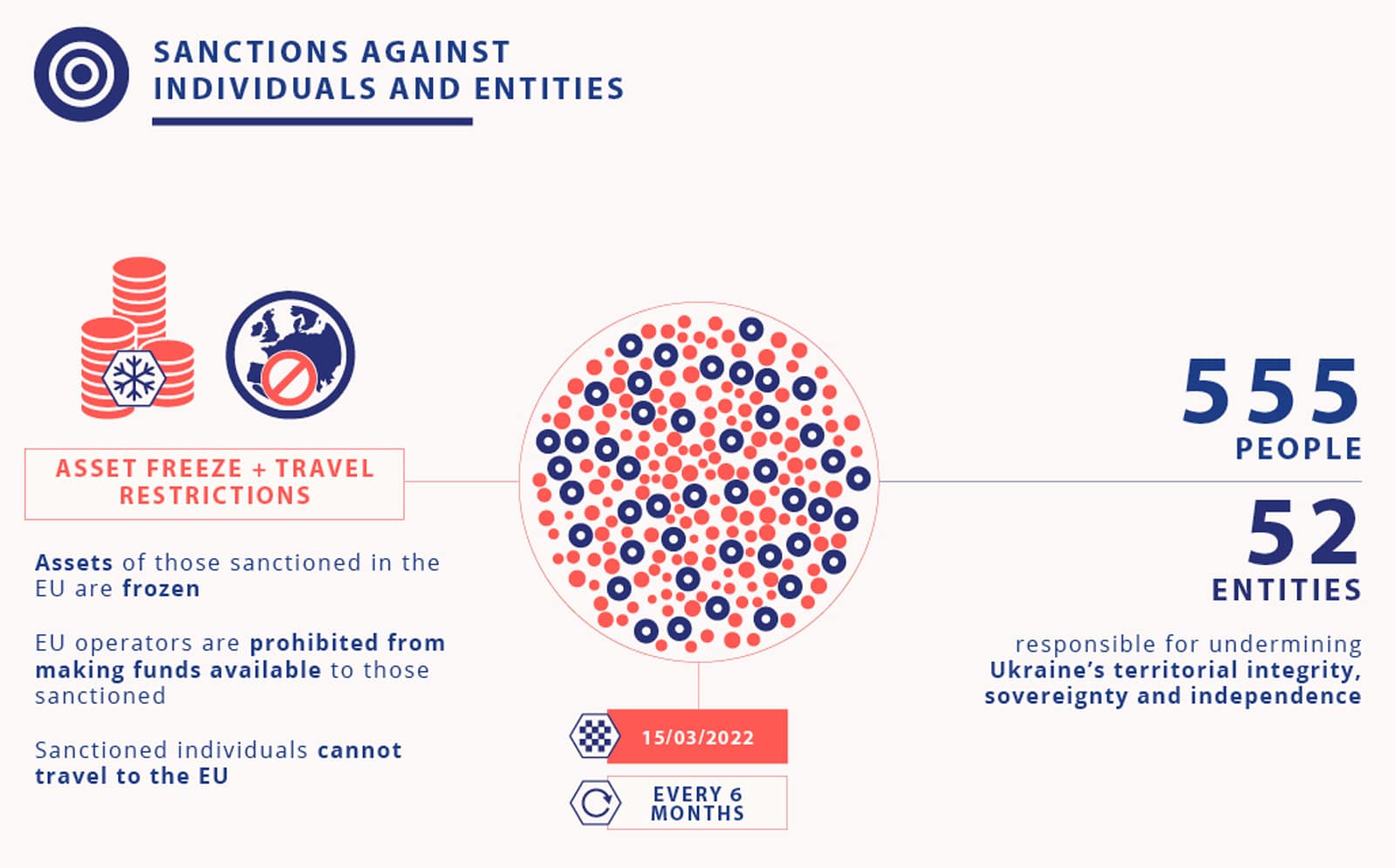
On 25 February 2002, the EU decided to freeze the assets of Russia’s President Vladimir Putin and Minister of Foreign Affairs Sergey Lavrov.
In the afternoon of 25th February 2022 at around 9:37 pm Press Secretary of The White House, Jen Psaki confirmed that after a call with the EU allies, who confirmed that the EU is agreeing sanctions against Vladimir Putin and Serguey Lavrov, US President, Joe Biden, will provide as well freeze the economic actives of the President of the Russian Federation and belonging to Russia’s Minister of Foreighn Affairs.
The EU imposed as well restrictive measures on the members of the National Security Council of the Russian Federation and on the remaining members of the Russian State Duma who supported Russia’s recognition of the self-proclaimed Donetsk and Lugansk “Democratic Popular Republics”.
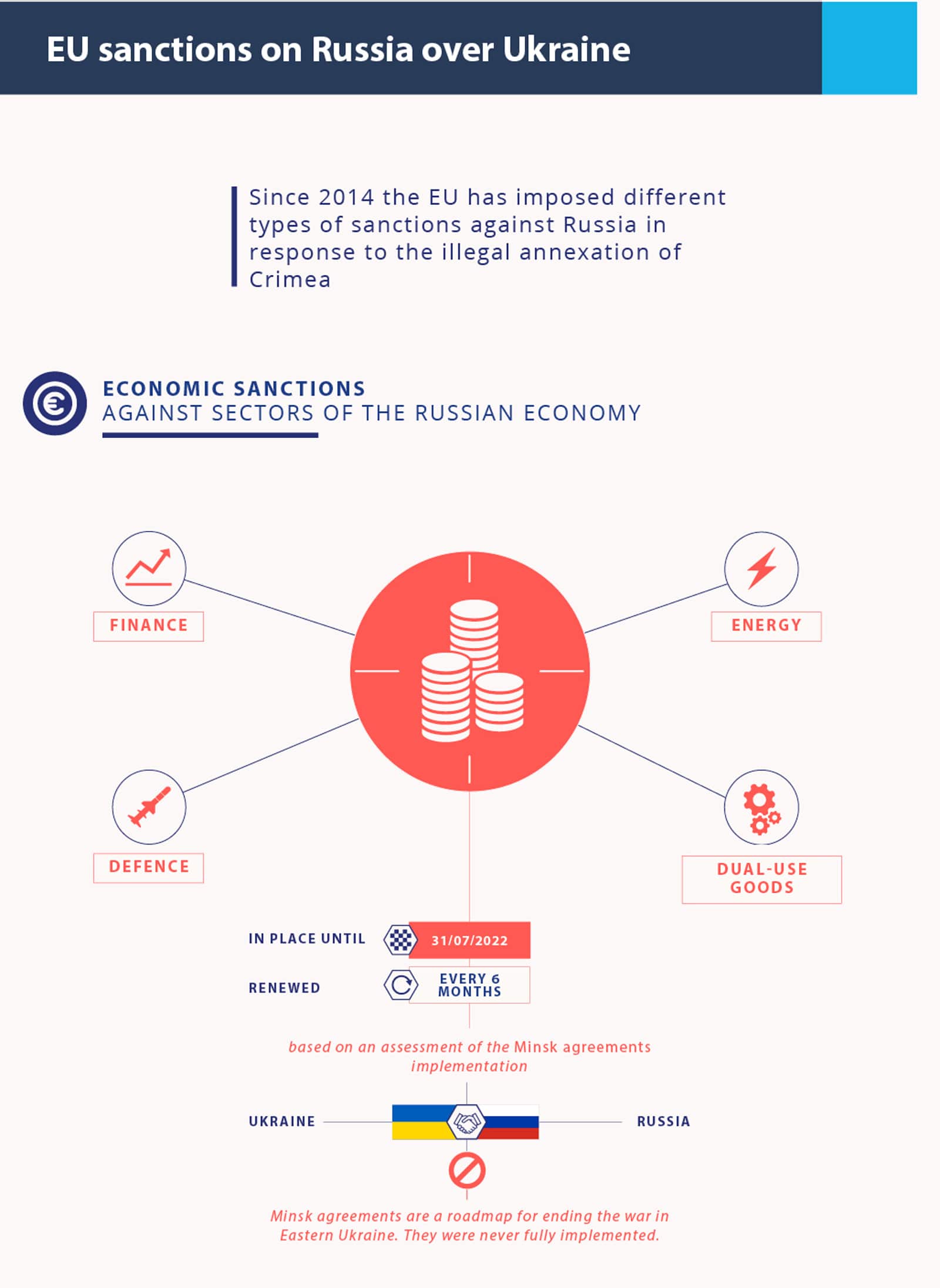
The Council also agreed on a further package of individual and economic restrictive measures to respond to the unprovoked and unjustified military aggression carried out by the Russian Federation against Ukraine.
These sanctions cover the following sectors: finance, energy, transport, technology and visa policy.
This decision swiftly implements the European Council conclusions of 24 February and shows the unity and resolve of the European Union, together with international partners and allies, to defend the peace order and the international law.
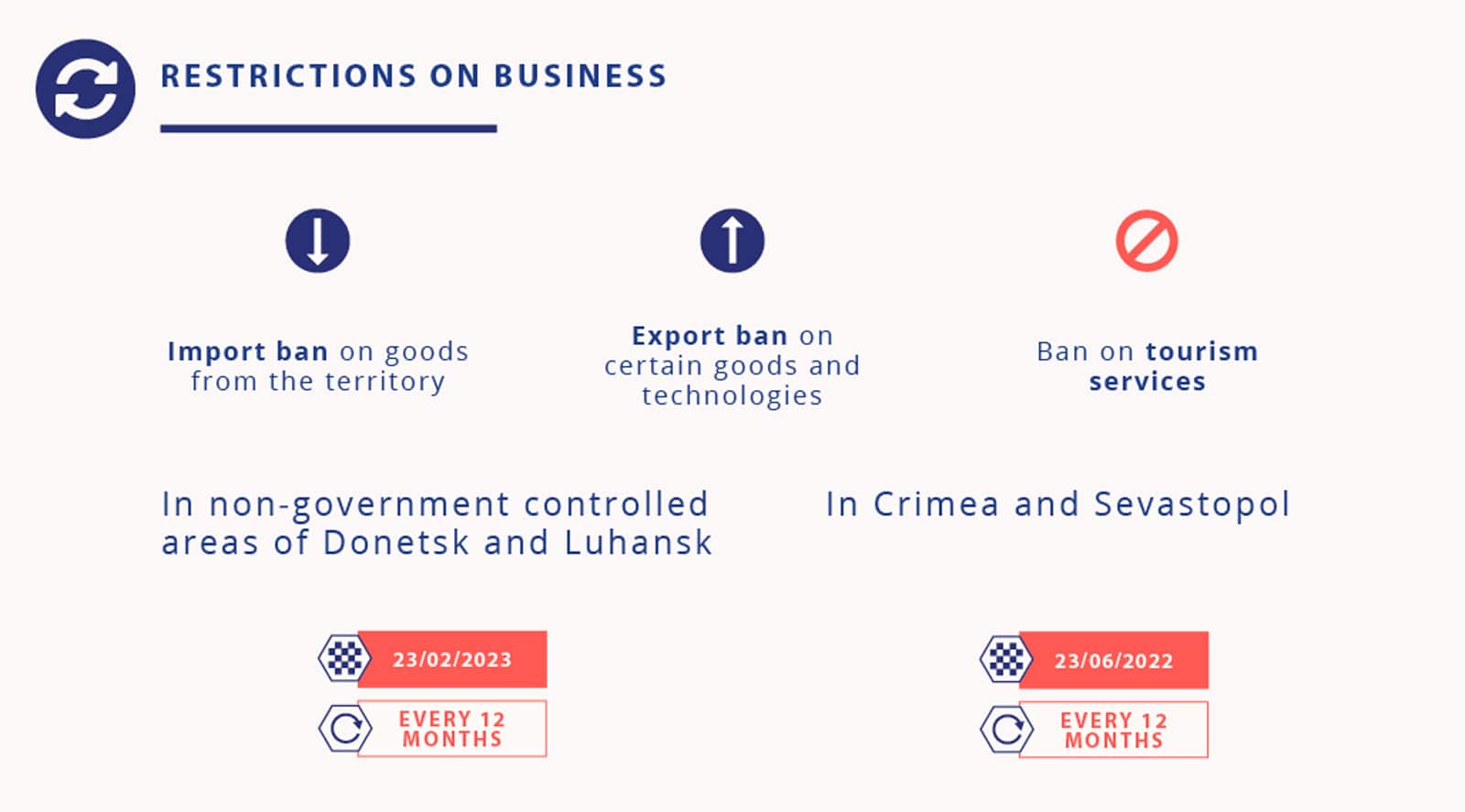
On 23 February 2022, the Council agreed on a first package of sanctions in response to the recognition by Russia of the non-government controlled areas of Donetsk and Luhansk oblasts in Ukraine as independent entities.
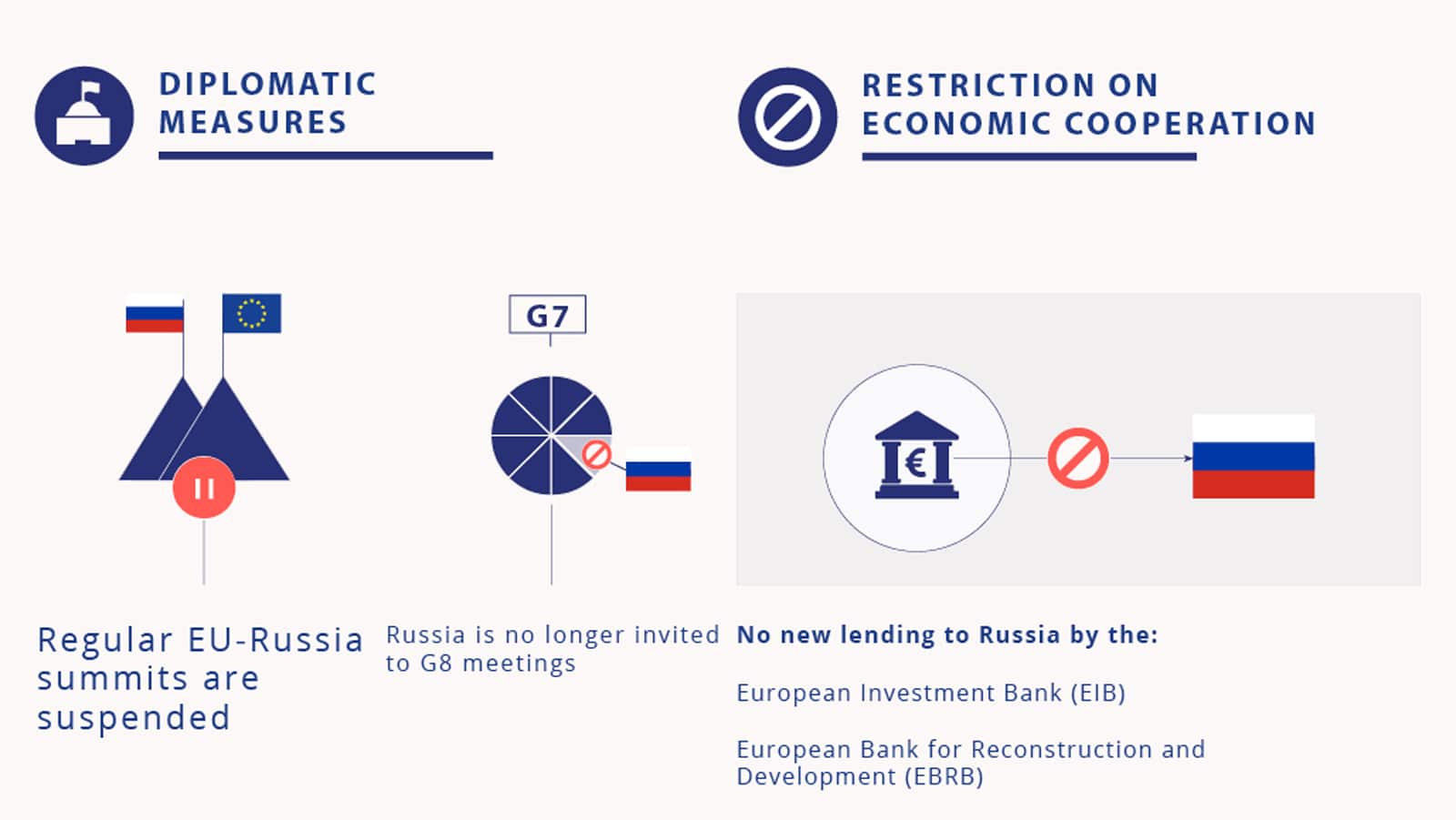
As well as thenew tranche of sanctions Ministers of Foreign Affairs of EU country members agreed to intensify diplomatic efforts to ensure the widest possible international condemnation of Russia’s illegal and unprovoked aggression. There was also clear consensus to continue to support Ukraine and to step up efforts to tackle disinformation. Besides, The Foreign Affairs Council agreed on the need to strengthen support to Moldova and Georgia and to deter provocations in the Western Balkans.
The Ukrainian Foreign Minister Dmytro Kuleba addressed the ministers at the start of their meeting.
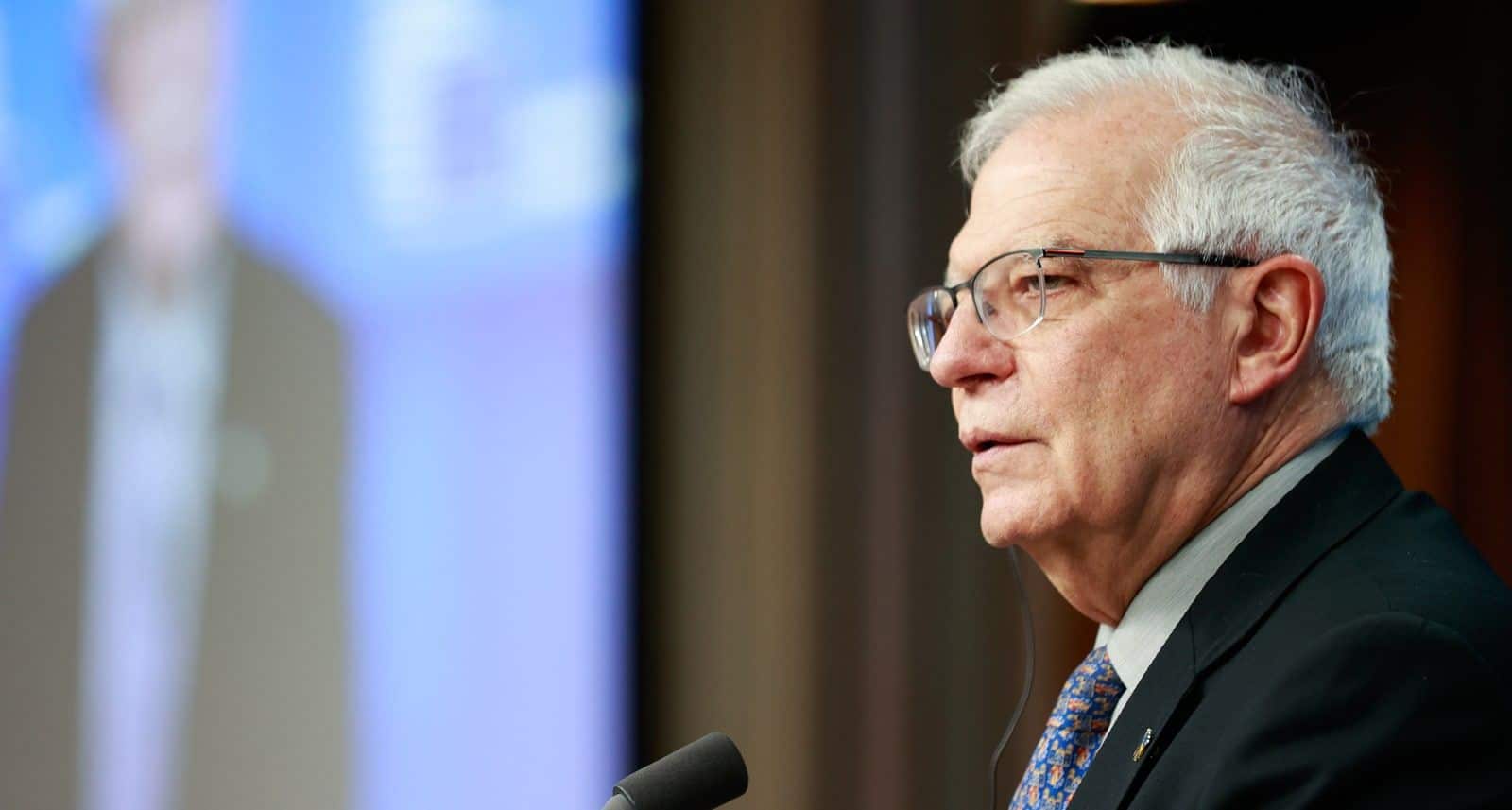
Image over the headline.- Josep Borrell, EU High Representative for Foreign Affairs and Security Policy, during the press conference following the Extraordinary Foreign Affairs Council, taking place on 25 February 2022, in Brussels. © European Union.
Related Eastwind links:
Related external links:
Timeline of EU restrictive measures and sanctions in response to the crisis in Ukraine
List of individuals affected by EU sanctions in response to the Ukrainian crisis