Next 23rd June British citizens will vote in referendum if they want to keep the country as a member of the European Union or else the UK must exit the EU.
While there is wide uncertainty around the market reaction to a leave vote, as the historical experience with similar events is limited, it is expected to be negative and could be severe, points the IMF on the Concluding Statement of the 2016 Article IV Consultation with the UK released today.
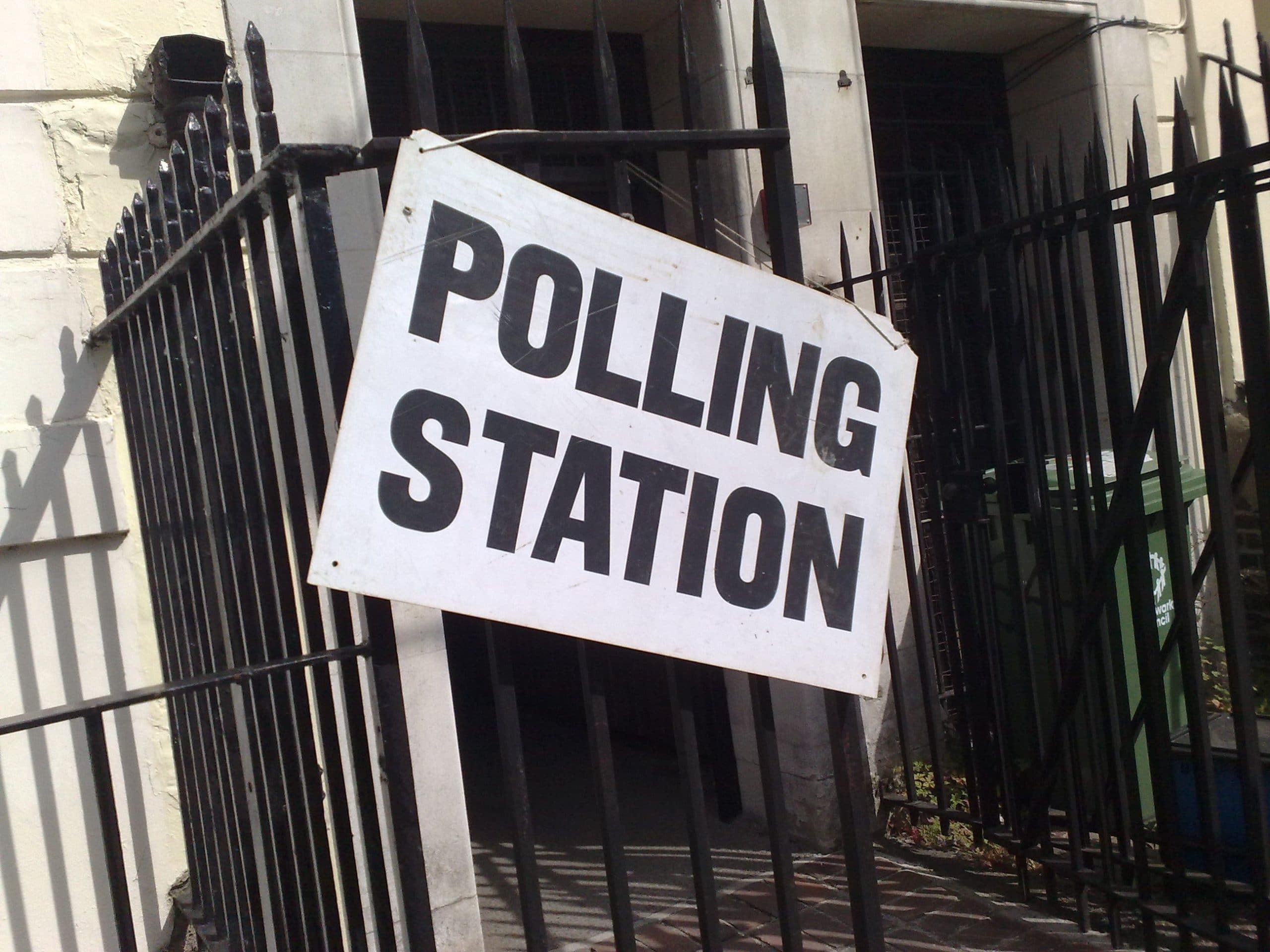
The IMF report on the current and future evolution of the economy in the United Kingdom underscores that any savings derived from eliminating the UK’s net EU budget contribution of 33% of GDP and any limited support for net exports caused by an abrupt sterling depreciation would only partly offset the hit to GDP and fiscal earnings derived from reduced consumption and investment.
Although the primary impact would be felt domestically, contagion effects could result in spillovers to regional and global markets, the IMF warns.
A vote to leave the EU would create uncertainty about the nature of the UK’s long-term economic relationship with the EU and the rest of the world. This outcome would also make some of the baseline risks already existing for the UK economy turn into actual problems weighing Uk’s economy not only in the short term.
Despite all the negative economic impacts a vote for the exit could bring, the IMF also recognises that the choice of whether to remain in the EU is for UK voters to make and that their decisions will reflect both economic and noneconomic factors.
The mere chance of a brexit is already weiging UK’s economy
Anyway, as markets usually react not only to the facts but to the risks, the mere chance of the so called “brexit” is already negatively affecting UK’s economy.
Among other effects in advance of a possible UK’s exit from the UE the IMF points that in the commercial real estate market, transactions plunged about 40 percent during the first quarter of 2016. Although the residential real estate market remains buoyant, this may reflect temporary effects due to tax changes. In the financial markets, sterling has depreciated by 9% in trade-weighted terms since November. Besides, the cost of insuring against a UK sovereign default has doubled (albeit from a low level), and the cost of insuring against exchange rate volatility around the time of the referendum has spiked.
Brexit will bring a long period of uncertainty weighing investment and economic sentiment
A vote for the exit on 22nd June could bring with it a long period of uncertainty for UK’s economy that would generate financial market volatility and a hit to the country’s output.

The brexit will come with the need for renegotiating a new deal with the EU that would require unanimous consent of all EU member governments, making agreements subject to considerable political risks.
EU-level agreements also cover the UK’s trading relationship with 60 non-EU economies (and prospective arrangements with another 67 countries are currently undre negotiation). The UK would also need to simultaneously renegotiate these arrangements, or else see them revert to WTO rules.
A return to the WTO rules wold cut uncertainty but significantly rais trade barriers with a huge negative impact in UK’s GDP.
All these negotiations and processes coud well remain unsolved for years. This uncertainty would heavily weigh on investment and economic sentiment during the interim and depressing output, IMF says adding that volatility in key financial markets would likely rise as markets adjust to new circumstances.
Brexit would bring not only short term negative effects
Following the prospects shared by the IMF, most assessments point to sizable long-run losses in incomes and net fiscal losses and to the fact that London will lose its status as global financial center with all the deisdvantages this loss would come with.
Losses in incomes would lead to GDP contraction: Losses in incomes because of increased barriers would reduce trade, investment, and productivity at estimated rates that deppending on the expert would go from 1.5% to the 9.5% in the GDP. This would be costly and a sure effect fefflecting differing assumptions about the UK’s future economic relationships with the EU and the rest of the world.

To know the author and reach the photo, click here
Net fiscal losses would not be compensated by the savings from the contributions to the European Union: Any output losses in excess of 1% of GDP would result in net fiscal losses for the UK, as reduced revenue due to lower output would more than offset any gains from eliminating the UK’s net EU budget contribution (now just a 0.3% of UK’s GDP).
London, no more a global financial hub: London’s status as a global financial center could also be eroded, because UK-based firms may lose their “passporting” rights to provide financial services to the rest of the EU and much euro-denominated business may move to continental Europe.
Brexit may cause an abrupt reaction in the markets leding to a sudden economic contraction
Sharp drops in equity and house prices, increased borrowing costs for households and businesses, and even a sudden stop of investment inflows into key sectors such as commercial real estate and finance are some of the negative effects that could be derived from an abrupt reaction by the markets to a vote for exit.
Such market reactions could sharply contract economic activity, further depressing asset prices in a self-reinforcing cycle says the IMF
IMF also underscores that any limited support for net exports caused by an abrupt sterling depreciation would only partly offset the hit to GDP from reduced consumption and investment. Other point is that inflation could also rise well above the target for some time
UK’s record-high current account deficit and attendant reliance on external financing exacerbates the risks.
Although the primary impact would be felt domestically, contagion effects could result in spillovers to regional and global markets, The IMF unserscores.
Image over the headline.- London bridge (UK),by Tony Hisgett from Birmingham, UK – Tower Bridge OpenUploaded by tm, CC BY 2.0
Related Eastwind links: