“Global growth in 2020 will dip below its last year’s levels. But how far it will fall and how long the impact would be is still difficult to predict, ”…”The IMF is looking at all the data available and hopes to have a more concrete outlook of the ultimate impact when it publishes the next World Economic Outlook report in April. IMF Managing Director Kristalina Georgieva said.
She also recogniced: “We know the disease is spreading quickly with over one third of our membership affected directly. This is no longer a regional issue. It is a global problem calling for a global response.”
David Malpass (President of the World Bank Group) undersocred the need for short-term financing during the crisis. “t’s important that the fiscal and monetary stimulus not shift resources away from working capital.”
While still cautious on publishing any deeper assessment on the economic impact of COVID-19 epidemia, the IMF and the World Bank informed today that given the growing health concerns related to the virus, the Management of the IMF and World Bank Group and their Executive Boards had agreed to implement a joint plan to adapt the 2020 IMF-World Bank Spring Meetings to a virtual format. “Our goal”, says the communication, “is to serve our membership effectively while ensuring the health and safety of Spring Meetings participants and staff.”
Some guidelines to wave the COVID-19 crisis at the country level
While cautious with the assessment of the economic impact of COVID-19 on global economy, Kristalina Georgieva explained on the mentioned post on IMF Blog that “about one-third of the economic losses from the disease will be direct costs: from loss of life, workplace closures, and quarantines. The remaining two-thirds will be indirect, reflecting a retrenchment in consumer confidence and business behavior and a tightening in financial markets.”
“The good news”, she wrote, ” is that financial systems are more resilient than before the Global Financial Crisis. However, our biggest challenge right now is handling uncertainty.”
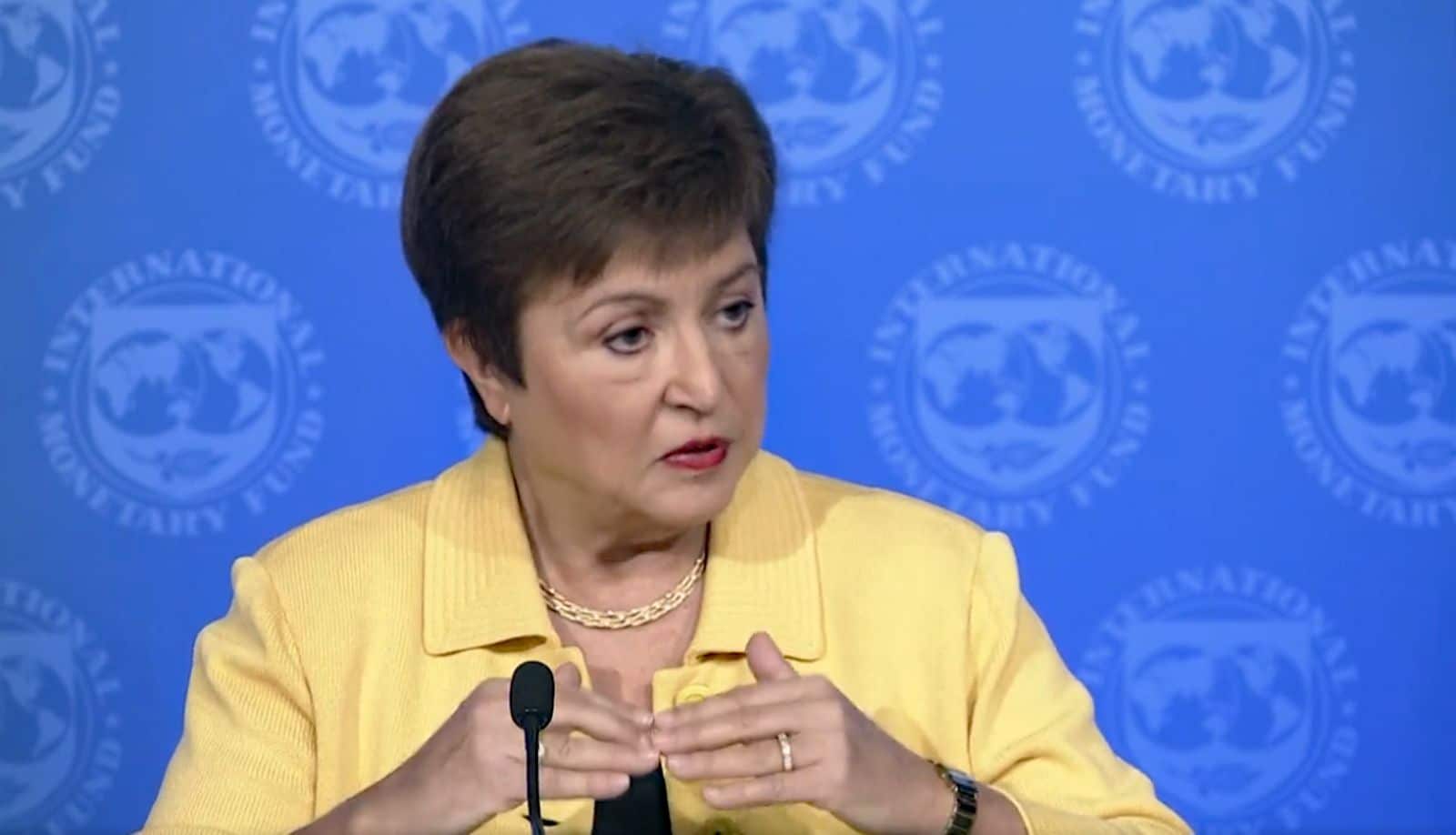
Georgieva identifies three main guidelines to mitigate the downturn impact of COVID-19 epidemia on national economies:
Number one priority: Ensuring front line health related spending
“The number one priority in terms of fiscal response is ensuring front-line health-related spending to protect people’s wellbeing, take care of the sick, and slow the spread of the virus. I can’t emphasize enough the urgency of stepping up health-related measures—and the need to ensure the production of medical supplies so that supply is at par with demand,” Georgieva pointed on her IMF Blog post
Second priority: tackle the supply and demand shocks
“…macro-financial policy actions may be required to tackle the supply and demand shocks that I mentioned above. The aim should “no regret” actions that shorten and soften the economic impact. They should be timely and targeted to the sectors, businesses, and households hardest hit,” she added.
“A generalized weakening in demand through confidence and spillover channels, including trade and tourism, commodity prices, and tighter financial conditions, would call for an additional policy response to support demand and ensure an adequate supply of credit,” she warned.
Third priority: offset financial stability risks
“…adequate liquidity will also be needed to offset financial stability risks,” Georgieva underscored
How can IMF and World Bank help countries facing the COVID-19 economic downturn ?
“We do have up to $10Bn available for low income countries to tap in with zero interest rates. And obviously we would prioritize countries, especially countries in Africa, that have already been faced with difficulties” said Georgieva.
Malpass explained the World Bank aims to provide financing both for developing and poor countries: “It’s a $12Bn package of which $ 6 billion dollars is IBRD and IDA, and that enables and allows special protection for poor countries. And then there’s also $6 billion Dollar from the International Finance Corporation. That’s critical because it’s private sector financing, it’s fast acting and it takes the form of trade finance and working capital finance, which are some of the most needed services that can be provided during this crisis.”
“We know the disease is spreading quickly with over one third of our membership affected directly. This is no longer a regional issue. It is a global problem calling for a global response,” said Georgieva
The IMF and World Bank have announced the immediate availability of over $60Bn in resources to member states. To the $10Bn emergency financing on IMF’s hand to help low income countries , the Institution led by Kristalina Georgieva informed today that there is an additional $40Bn package through the Rapid Financing Instrument for others to get financing if needed to mitigateteh impact of Coronavirus in their economies during the epidemia.
The IMF also has the Catastrophe Containment and Relief Trust (the CCRT) which provides eligible countries with up-front grants for relief on IMF debt service falling due. The CCRT proved to be effective during the 2014 Ebola outbreak, but is now underfunded with just over $200 million available against possible needs of over $1Bn. “I called on member countries to help ensure that this facility is fully re-charged and ready for the current crisis,” informed IMF Managing Director through a post on the mentioned post on IMF Blog.
Thanks to the generosity of our shareholders, we have about $1 trillion in overall lending capacity,informed Georgieva in the same post.
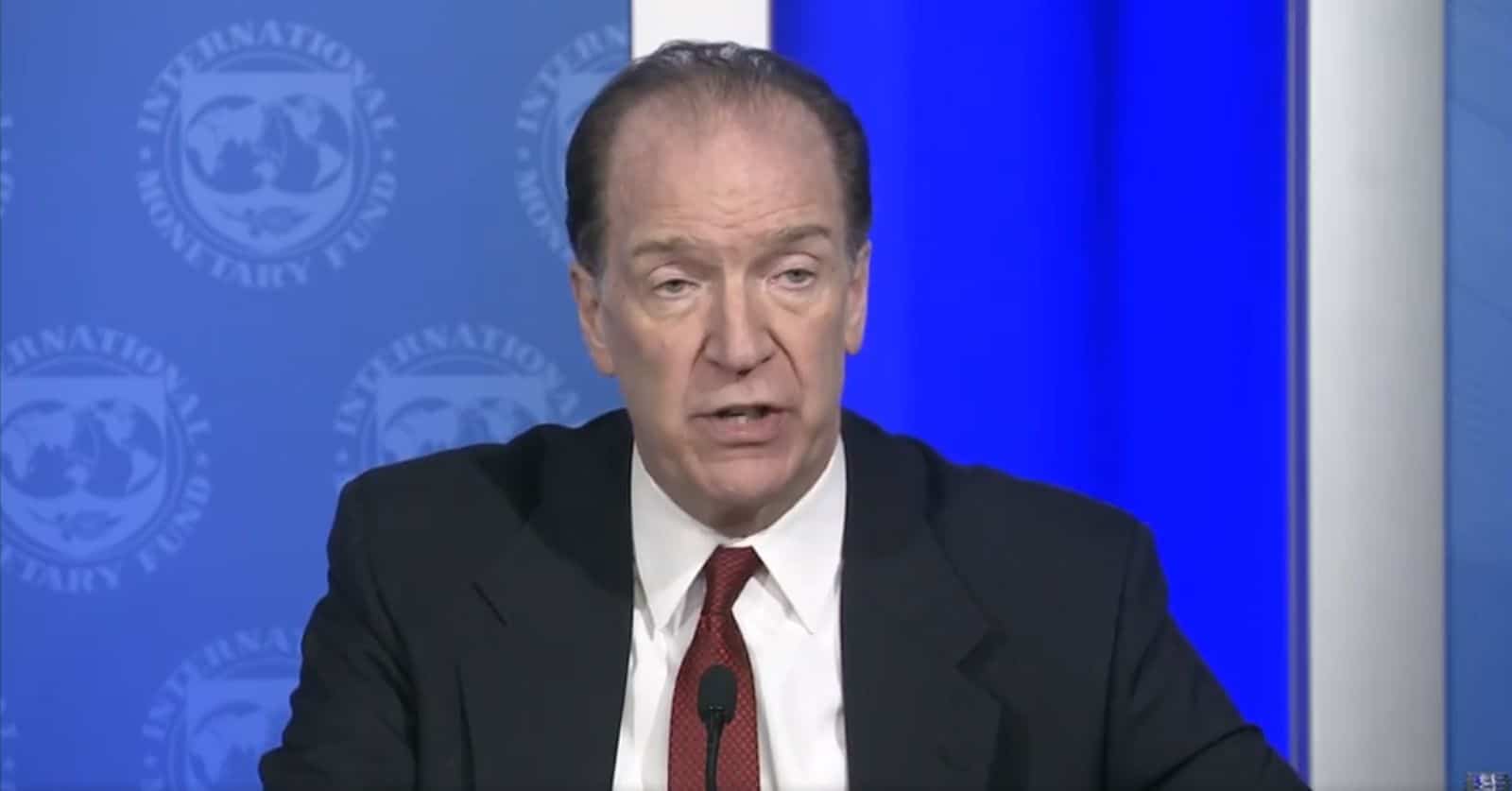
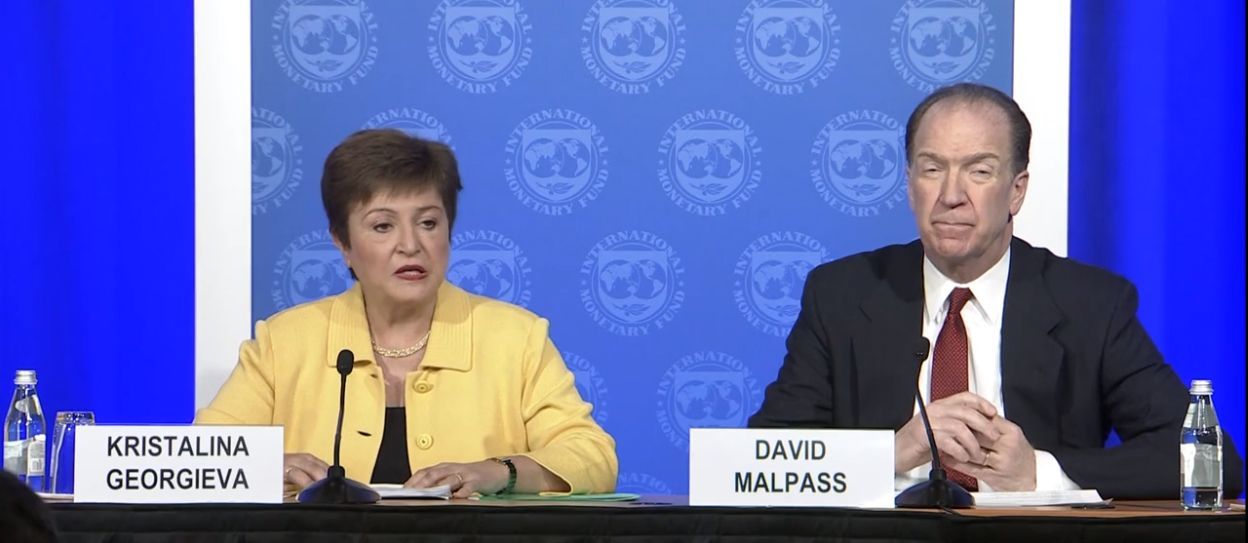
Image over the headline.- Kristalina Georgieva (IMF Managing Director) and David Malpass (President of the World Bank Group) at the joint press conference held today on COVID-19.© IMF
Related Eastwind links:
COVID-19.- IATA demands suspension of the slot minimum usage rules due to Coronavirus
Global consensus earnings forecasts for 2020 in decline due to coronavirus impact
Rabobank reports on possible global recession by 2019 nCov outbreak