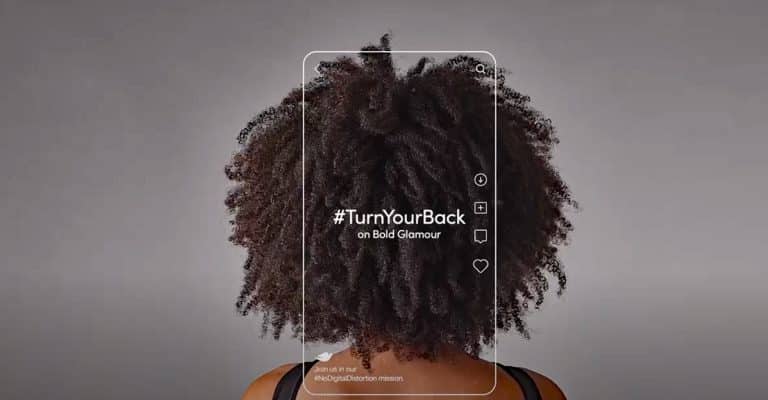
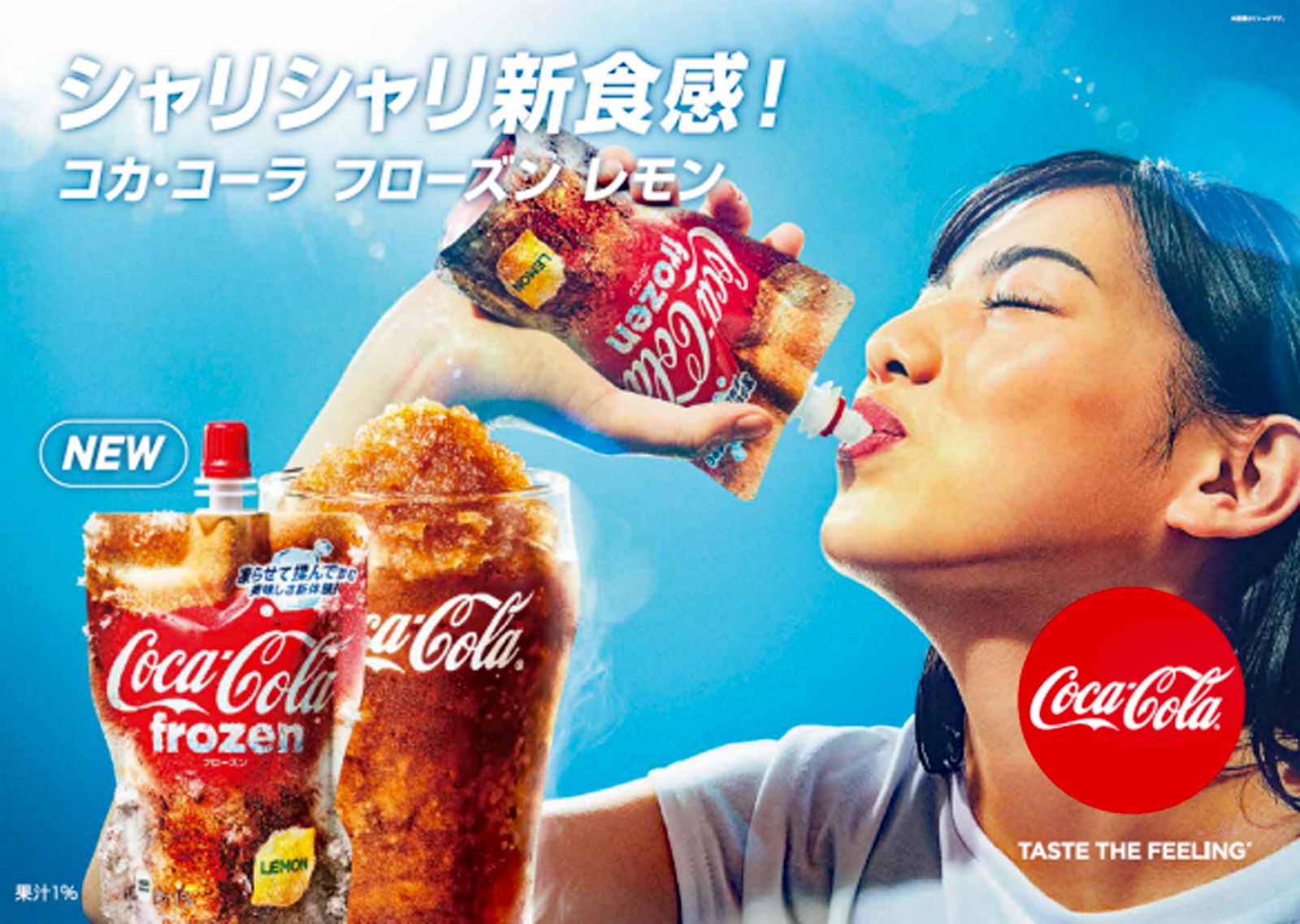
The Coca-Cola company has announced the launch of its first-ever ready-to-drink frozen beverage this week in Japan: Coca-Cola Frozen Lemon. The new frozen Coke will be available, at least for the moment, only in Japan.
The launch of Coca-Cola Frozen Lemon follows those of Coca-Cola Peach and Coca-Cola Plus, a food of specified health use (FOSHU) beverage with dietary fiber.
Over 1000 new beverages make their debut in the Japanese market each year. In fact The Coca-Cola company considers this Asian country as a hotbed for innovation and trying first of its kind products.
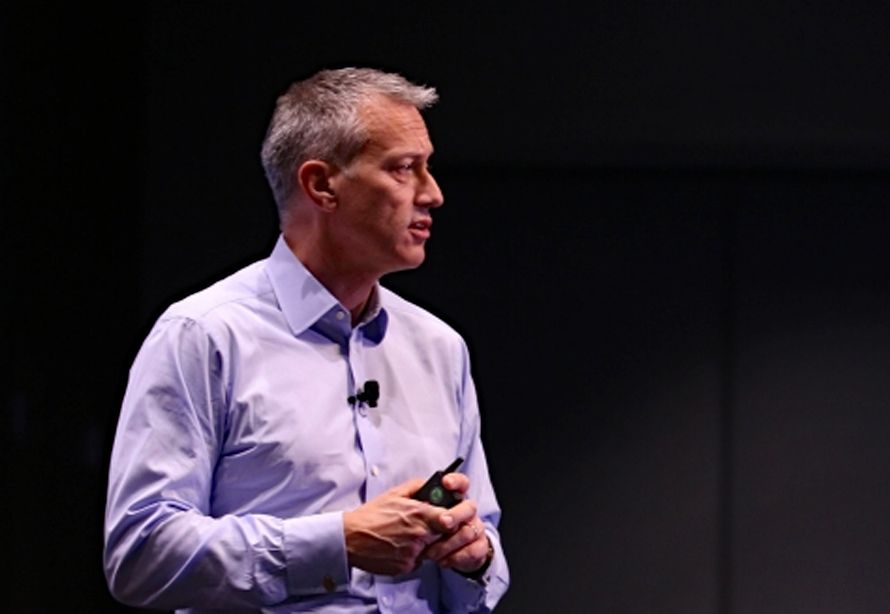
The Coca-Cola Frozen Lemon launch is framed into Coca-Cola CEO James Quincey’s vision for a total beverage company powered by an entrepreneurial, innovation driven culture. This new approach includes taking a test-and-learn approach to R&D and scaling successful brands and ideas around the world.
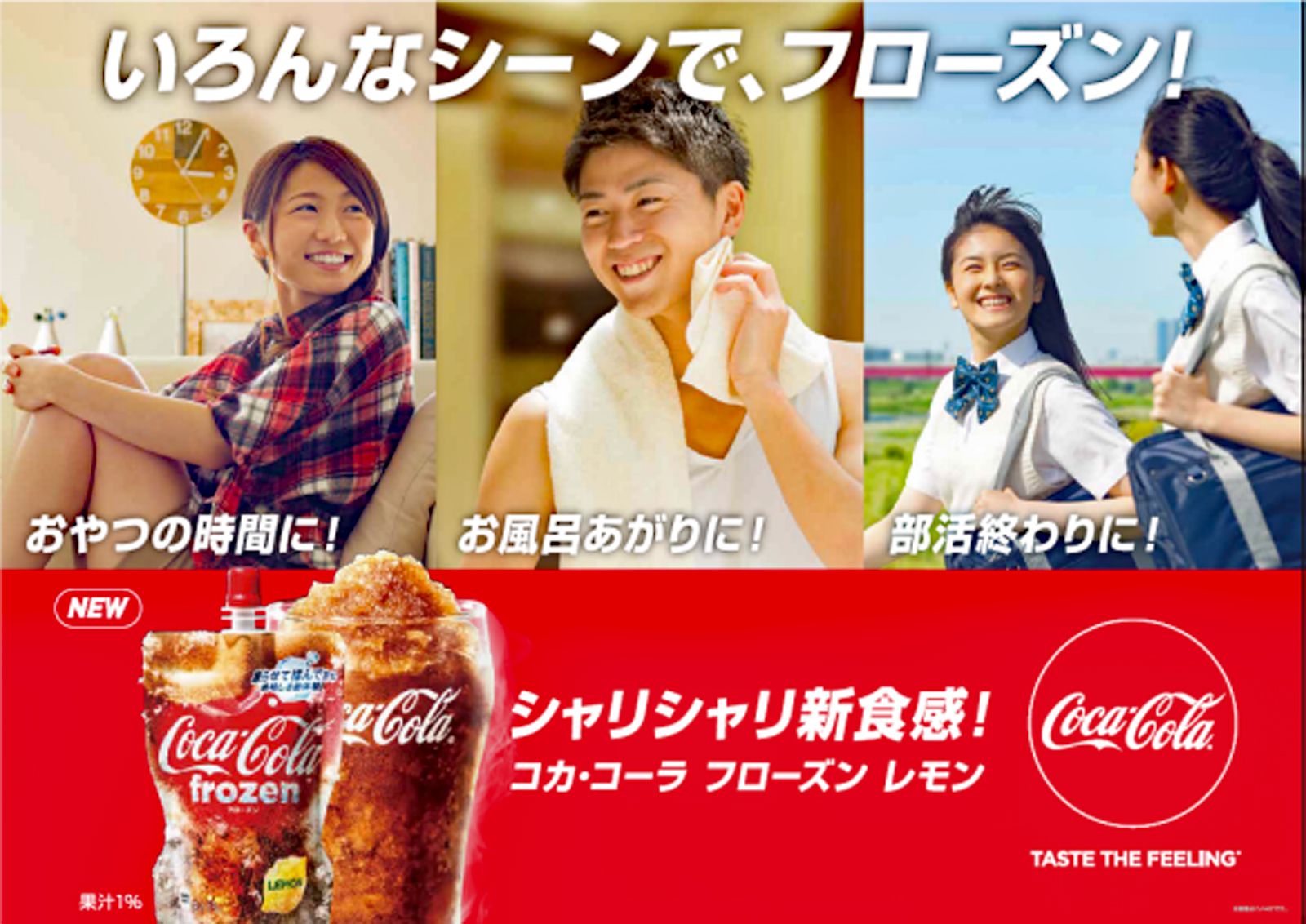
Coca-Cola Japan spent more than eight years researching, developing and testing ingredients to perfect the recipe and chilling technology for Coca-Cola Frozen Lemon. The pouch will enable Japanese consumers, who are keen on both novelty, first-of-their kind drinks and frozen treats, to enjoy the new icy beverage on a hot summer day without getting their hands wet or sticky. Consumers can achieve the desired crunchiness by squeezing the re-sealable packs. The new product offers a smooth, sherbet-like texture and the Coca-Cola usual taste with a lemon flavored twist.
Coca-Cola Plus
The first-ever Coca-Cola approved as FOSHU by the Japanese Government debuted in this Asian country with its characteristic white packaging in March 2017.
This is not the first FOSHU drink by The Coca-Cola company, however. In 2014, Coca-Cola Japan introduced a FOSHU oolong tea, Karada Sukoyakacha, that contains indigestible dextrin.
Coca-Cola Plus contains five grams of indigestible dextrin (a source of dietary fiber) per 470-ml bottle. Coca-Cola Japan targetted with Coca-Cola Plus, which features great Coca-Cola taste plus functional benefits, to health- and taste-conscious consumers 40 and older as a beverage to enjoy with food.

Japan is home to the world’s largest aging population. Older consumers are driving growth of the country’s FOSHU beverage market, led by teas, followed by cola soft drinks.
The US multinational claims that drinking one Coca-Cola Plus per day with food will help suppress fat absorption and help moderate the levels of triglycerides in the blood after eating.
“Japanese consumers have high quality standards and are especially uncompromising when it comes to taste,” Dr. Machiels said. “And being an aging society has made it a unique market where consumers are extremely health-conscious and seek functionality.”
Towards a total beverage company with faster experimental approach
Coca-Cola is speeding its transition to a total beverage company and has a renewed focus on innovation and growth, President and CEO James Quincey told more than 120 investors and financial analysts last November 2017 at the company’s global headquarters.
“We must be more agile and get things to market quicker,” Quincey said. “We operate in 200-plus countries, so having a success in one country frankly doesn’t move the needle. The needle only really moves with a big success in more than one big country. So lifting and shifting… the best and most successful ideas around the world is absolutely critical to creating more billion-dollar brands in a diverse portfolio.”
“If we can’t become faster, more experimental, cycle faster through ideas, experiments, insights and learnings – and on to the next iteration – then we won’t be able to expand not just across categories, but across the number of countries we need to succeed in.”
For example, he continued, the company will launch soy-based beverage brand AdeS, a top performer in Latin America, in Europe early next year.
Ades first debut in Europe was announced las 4th April with Spain as the first market to start the roll out of this product in the Old Continent.
Similarly, advanced Quincey las November, Honest Tea and smartwater recently made the jump across the pond from the U.S. to the U.K. And the company’s central and eastern Europe unit recently adopted Coke North America’s Venturing & Emerging Brands (VEB) model, which takes an entrepreneurial approach to investing in, nurturing and incubating up-and-coming beverages.
Image over the headline.- Coca-Cola Frozen Lemon. © The Coca-Cola Company.
Related Eastwind Marketing links: