Once more, operations overcome marketing at the head of The Coca-Cola Company. The multinational announced last Friday that its Board of Directors has approved unanimously the recommendation of Chairman and Chief Executive Officer Muhtar Kent for an evolution of the company’s senior leadership structure. Under the new structure, company veteran James Quincey, President and Chief Operating Officer, will succeed Kent as CEO, effective May 1st, 2017. Kent will continue as Chairman of the Board of Directors.
“It has been the most wonderful and unique privilege to serve as Chairman and CEO of our great company over the past eight years,” Kent said. “This transition comes at a time of important evolution for The Coca-Cola Company. Our journey to refocus on our core business model of building strong global brands, enhancing sustainable customer value and leading a strong, dedicated franchise system is well under way. During James’ time as President and COO, he has further demonstrated his deep understanding of the dynamics of our business and what it takes to win in the marketplace.”
Deep changes at Coca-Cola, already driven and more to come
Completing the refranchishing of the botling operations around the world along with the launch of new low suggar products, new packaging and the development of the “one brand strategy” are some of the big changes Coca-Cola is now focused on to return the consolidated net revenues (in 3rdQ 2106 down 5% ) to growth.
“While consolidated reported net revenues are down 5% year-to-date in part due to the ongoing structural change in our business as well as macroeconomic headwinds, the organic revenue performance of our core business (non-GAAP) has grown 4% year to date. This growth demonstrates the overall strength and long-term growth potential of our company,” he explained.

“We know that consumers are looking for less sugar and also looking for more choice in both beverages and packages sizes. We are expanding the selection of low- and no-calorie products. And we are reformulating products to reduce added sugars.
“Additionally, our new ‘one brand’ marketing approach, which extends the appeal of original Coca-Cola across Diet, Zero and Life, helped deliver strong results in Europe – especially in Great Britain, where Coca-Cola Zero Sugar saw strong double-digit unit case volume growth in the quarter compared to Coca-Cola Zero from the prior year quarter,” said the future CEO of The Coca-Cola Company.
Precisely, the promotion of Quincey comes after that of Marcos de Quinto to Global CMO (Chief Marketing Officer) and then Executive Vice President.
To date, De Quinto has replaced McCann with three agencies: the Spanish Sra Rushmore, the Argentinian Santo Buenos Aires and Ogilvy New York for the first global campaign of the brand under his lead at the Marketing and Commercial position. He also replaced the white wave with the red spot in Coca-Cola’s brand. He is driving, as well, the change from “Open Happiness”, the message of Coca-Cola’s communications for the latest 7 years, into the “Taste the Feeling” approach.

Just some few days ago, Advertising Age told about next changes unveiled by De Quinto in the ad spend of Coca-Cola. Main bet by Television -most effective for Coca-Cola- and reduction of the investment in Digital, for example in some apps not driving the numbers -impact in users- he considers an adecuate ROI, were some of the points announced by Coca-Cola’s CMO.
A future beyond Coca-Cola, the still categories
But the business of The Coca-Cola Company goes far beyond the Coca-Cola brand and the adspend attached to it.
“Of the 20 brands in our portfolio that generate more than $1 billion in retail sales each year, 14 are still brands. And our momentum in still beverage performance is accelerating. Year-to-date, we have sold nearly 6 billion incremental servings of still brands compared to last year. That is about 25% of the industry’s overall still beverage growth globally,” said James Quincey reporting on 3Q 2016 results of The Coca-Cola Company.
“We have leading brands across the largest still categories, including juice, coffee, water, tea and sports drinks” he continued. “And innovation is driving growth. For example, in Japan, year-to-date growth has been driven by new premium packaging for the popular Georgia coffee brand, the introduction of a second flavor profile to the popular Ayataka tea brand and new flavors of our premium I LOHAS water brand. In the United States, we’ve expanded smartwater into sparkling water and stretched the Honest Tea trademark into juice drinks. And in Europe, we have expanded innocent, our premium juice and smoothie business, as well as Vio Bio organic.”
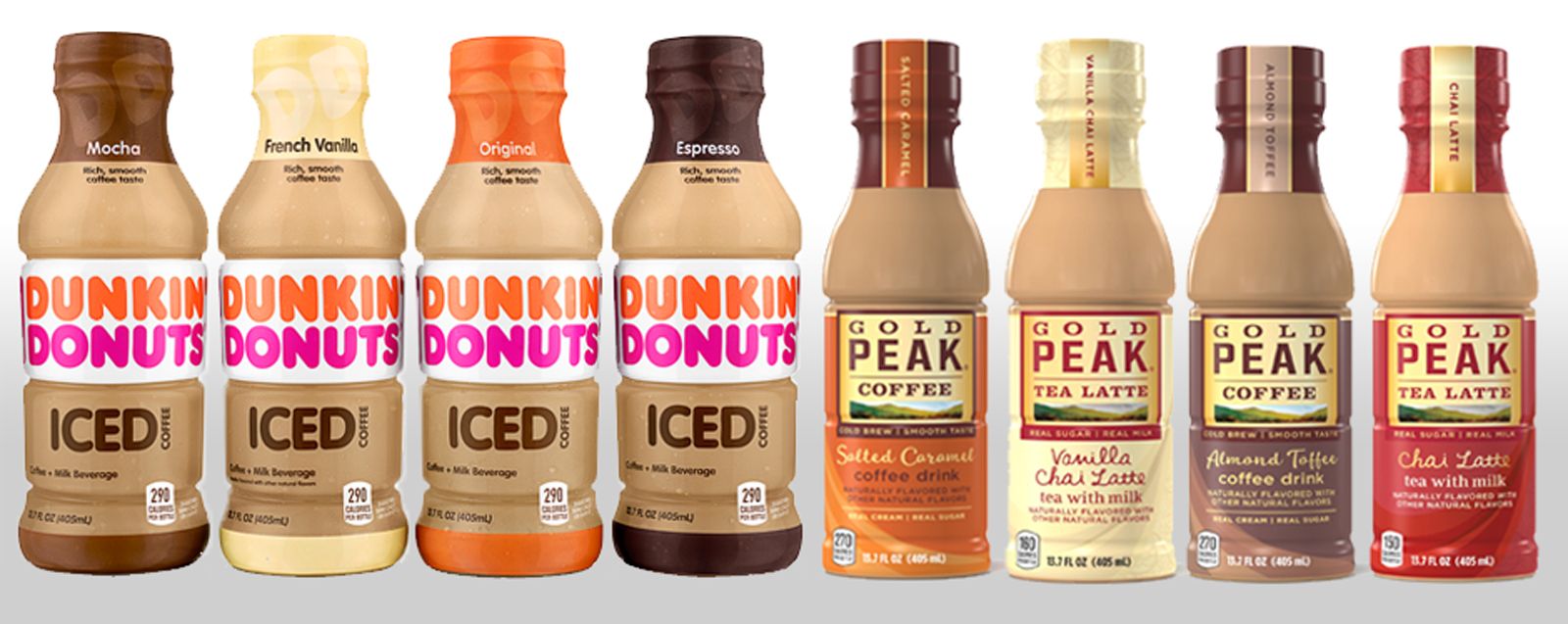
Early next year, the company will roll out in the USA a range of diverse yet complementary ready-to-drink (RTD) coffee offerings. Gold Peak, a billion-dollar iced tea brand in the U.S., will introduce two flavors of both cold-brew coffees (Salted Caramel and Almond Toffee) and bottled tea lattes (Chai and Vanilla) in early 2017.
Coca-Cola also will produce, distribute and market a line of Dunkin’ Donuts-branded iced coffee beverages, which will be sold in grocery stores, convenience stores and in Dunkin’ Donuts restaurant. Four flavors – Original, Mocha, Espresso and French Vanilla – will be offered in re-sealable PET bottles.
These new brands will join illy issimo (a premium RTD coffee brand), and Java Monster (a hybrid coffee and energy drink produced by Monster Energy and distributed by Coca-Cola) in Coca-Cola North America’s expanding RTD coffee portfolio.
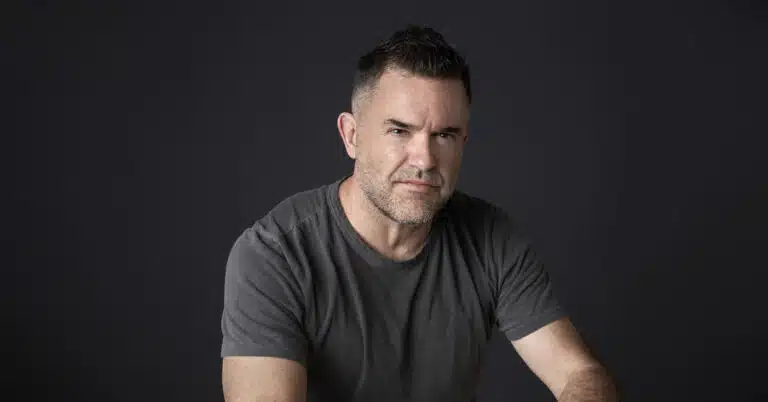
Image over the headline.- James Quincey (Presidente y COO) -izquierda- y Muhtar Kent (Presidente y CEO de The Coca-Cola Company). © The Coca-Cola Company.
Related Eastwind links:
James Quincey, to succeed Muhtar Kent as CEO at Coca-Cola
Related Eastwindmarketing links:
Coca-Cola moves to the red spot
Coca-Cola changes its message
Coca-Cola adds “latin power” to its global brand campaign