MillwardBrown launched today the first BrandZ study the WPP’s research and consultancy company carries out on brands in Cuba.
The research shows that a 38% of brands are still clean states, or what it is the same, brands that most people don’t know exist, or people recognize the name but don’t know what the brand stands for.
The global average on this point is a 14%. The gap means a huge opportunity for brands in Cuba.
Spotlight on Cuba highlights the potential for local and international brands to grow in Cuba. This is a market of 11 million highly educated and entrepreneurial people who are broadly positive about their circumstances and their future.
Havana Club, most innovative brand and Crystal beer the most loved
Te study shows that Havana Club rum is seen as the most innovative brand in Cuba, and Cristal beer is the most loved brand, followed closely by Heineken and Café Serrano coffee. On the BrandZ measure of Brand Power, which measures how meaningfully different and well known a brand is, Havana Club tops the table.
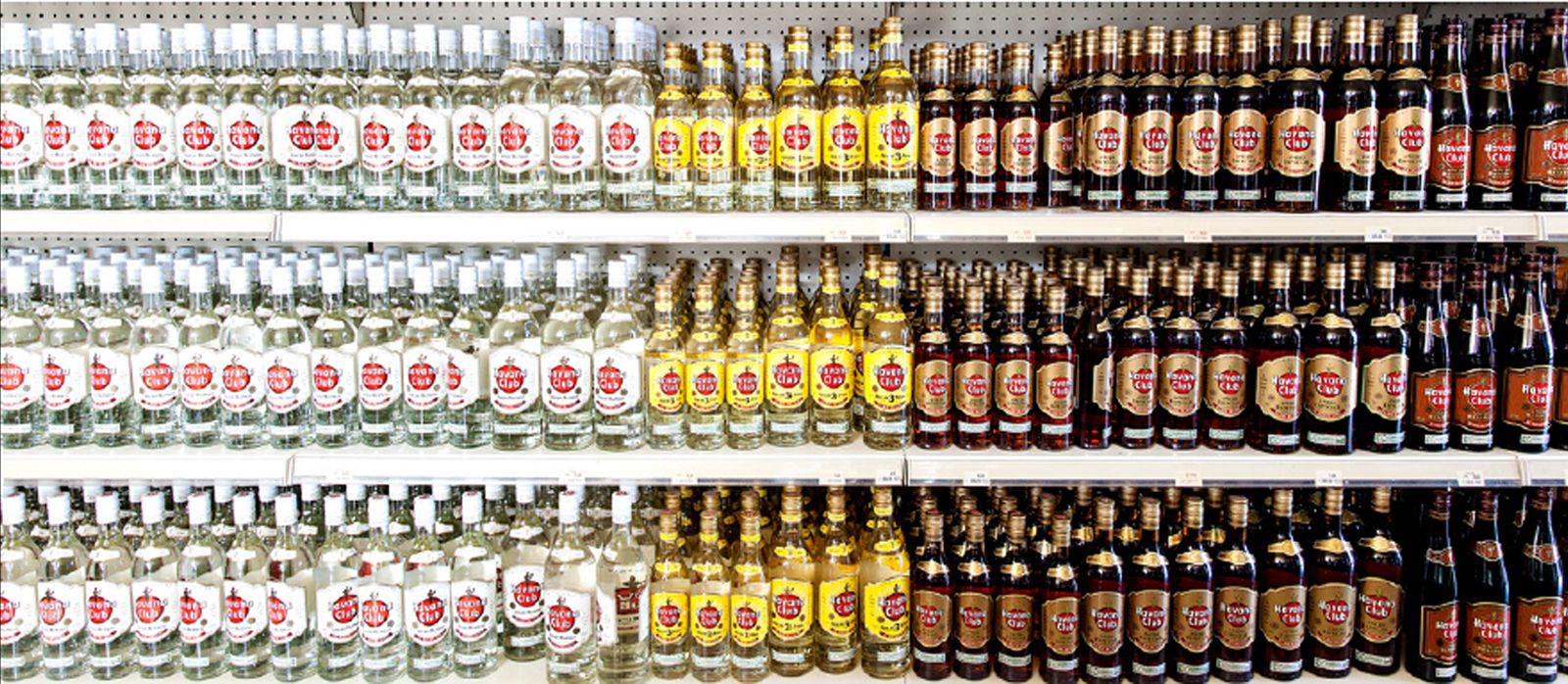
BrandZ ‘personality’ analysis of brands already popular in Cuba shows there’s a high proportion of brands seen as sexy and desirable and brands seen as rebellious compared to the rest of the world. “Sexy” and “desirable” brands are three times as common in Cuba as they are globally, and Cuban “rebellious” brands were more than twice as common.
10 key insights that must be taken into account
BrandZ report includes 10 main points any brand must take into account, if wanting to succeed in Cuba: 1st mover advantage is huge; Cuba is the biggest market among Caribbean countries, but relatively small compared to the USA or Mexifco; consumers want and have brands that aren’t there; Government must be the first target audience; The typical Cuban does not exist; shopping is about finding, not choosing; Cubans living in the country are proud of who they are; Internet is offline; traditional advertising is not allowed; and PR beats advertising.
1st mover advantage is huge.- There are so few multinational brands with an approved presence and proper distribution network in Cuba that to be one of the few permitted foreign brands brings with it a huge opportunity to stand out in consumers’ minds.
Cuba relatively small market.- While one of the biggest in the caribbean, Cuba is not as large as the USA or Mexico.
People want and already have brands that aren’t still in Cuba.- Brands still not in the Cuban Market must consider the fact they are not arriving to a brand landscape that is a blank canvas; availability may have been limited or non-existent, but often ‘new’ brands to the market find they already have a place in people’s minds.
Government as 1st target audience.- The government can afford to be highly selective about who they work with, and have prioritized certain sectors for involvement of foreign investment, such as renewable energy, health and infrastructure.
The typical Cuban does not exist.- Differences in disposable income are more often linked to exposure to international business or the tourist industry, which has brought in convertible currency, rather than levels of education, which are universally high here by world standards.
The biggest marker of difference between people is age. Those old enough to remember the harsh conditions that followed the collapse of the Soviet Union and the youngest who tend to be more concerned with brand. Under 25s have a far more optimistic outlook and an entrepreneurial spirit.
Shopping is still about finding not about choosing.-The retail landscape is dominated by state-run supermarkets and government-approved stores, so the range of goods available tends to be consistent from store to store and from town to town. Within a category, unless it’s rum or cigars, then there’s unlikely to be more than just a few brands to select from, and these brands are not always available.
As the market develops and consumers have more choice, they will be looking for brands to guide them in determining why a product is right for them. Those brands already selling in Cuba should be moving on this now.
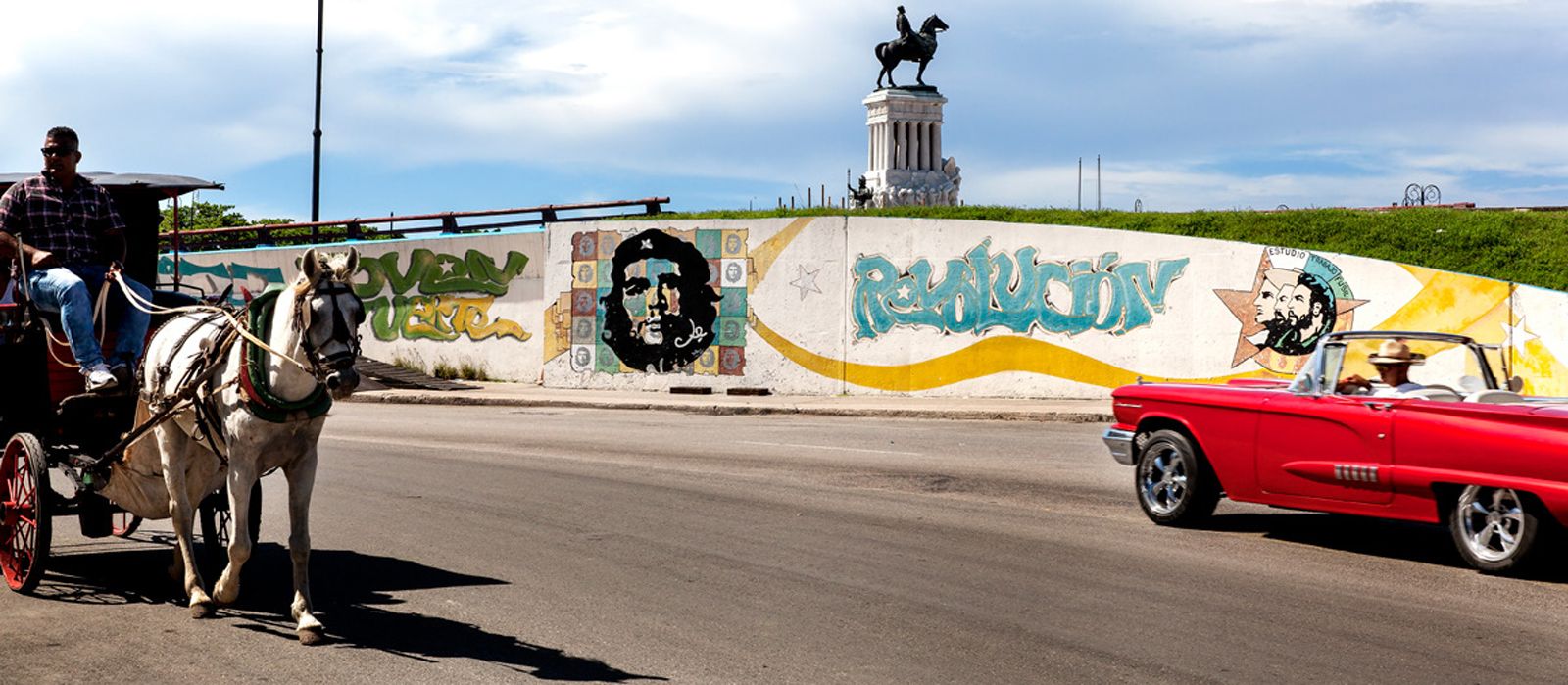
Optimism and pride rule.- Cubansliving in Cuba are proud of thie historY, of their own roots and idetity.-Those people seeking an escape from what Cuba offers have already left, and those who remain – and the many people who have returned – will seek brands that blend with their traditions and values rather than turn them upside-down.
Brands entering this country should be gentl when they comment on Cuban life and what they might offer in contrast; as people living in Cuba aren’t looking for a new life. There is immense pride in Cuban traditions such as art, music and dance, and a delight in people’s ability to make do, to manage and make the best of the situation in which they find themselves.
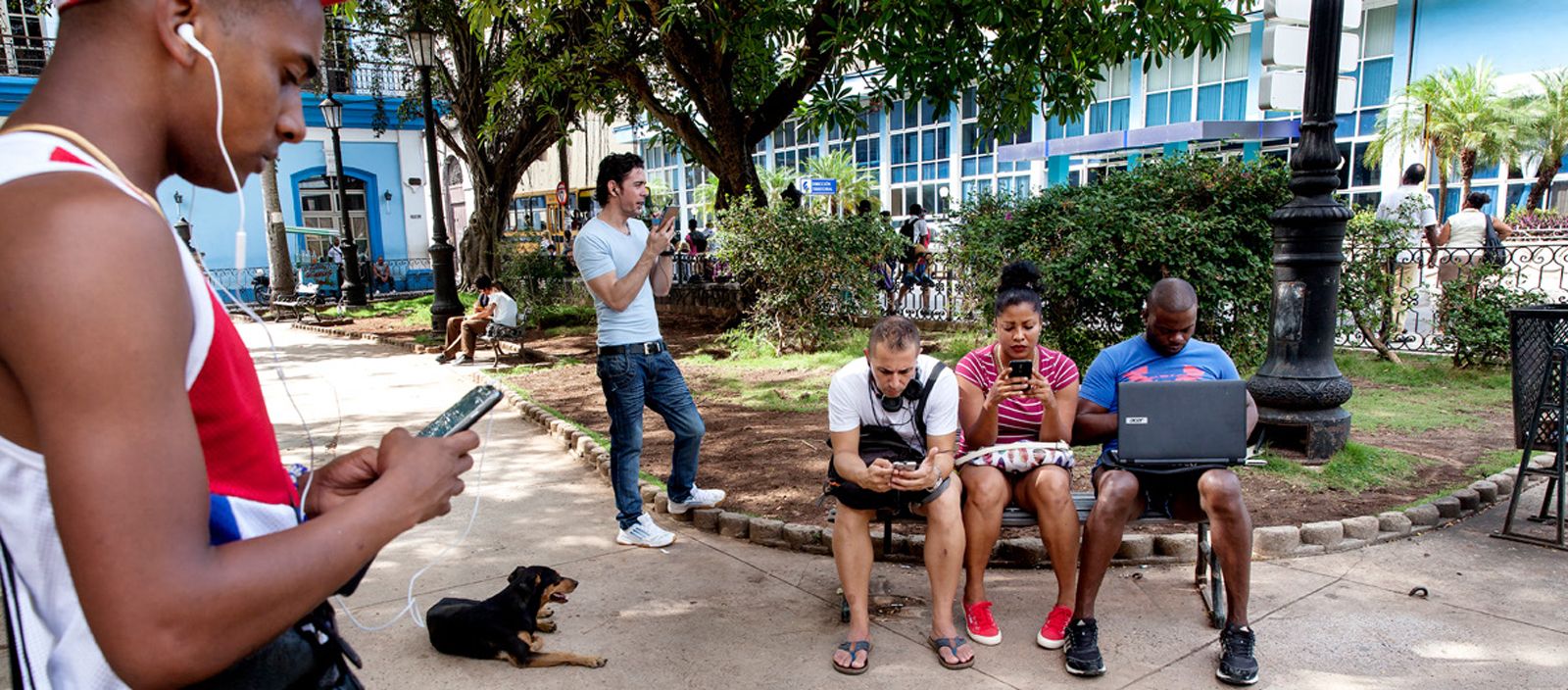
Internet is offline.- Internet access for most people means relying on state-run Wi-Fi hotspots that require users to register and log in, at great expense, at slow speeds and in public. The result is testament to the creativity and resourcefulness of Cubans. Apps have sprung up that can be used offline, such as directories of services and events.
Advertising is almost forbidden.- Advertising has been described in the past in Cuba as “alienating and noxious”. Currently, while commercial advertising is not explicitly banned, its insertion in mass media is prohibited.
Point-of-sale displays are permitted. Posters in stores are allowed and can sometimes be seen in taxi windows. There is a widely circulated Yellow Pages, and posters, maps and guidebooks include advertising. Locally created and sold ads appear on listings web sites, such as restaurant site AlaMesaCuba.com, and on the El Paquete offline entertainment service. Government-authorized ads or jingles are permitted on one radio station, and there are limited sponsorship opportunities.
PR beats advertising.- Face to face work and getting the right messages to the right people are essential if a brand is to get the green light to sell here.
A market changing quickly, so first movers must be also fast movers
“Whether it’s a Rolling Stones gig, a Chanel fashion show or the announcement of broadband access in parts of Havana, change is happening gradually but constantly. This makes it easy to miss the opportunity”, says David Roth, CEO The Store WPP, EMEA and Asia.
“As Cuba continues to transform, there is a clear opportunity for local and international brands to play a part in the development of its economy – and grow their business in the process,” he concludes.
“Gradually, the Cuban consumer market will become more competitive and shoppers will have more choice; new brands will need to make a strong impression and those brands already successful here will have to work hard to maintain their position,” says Doreen Wang, Global Head of BrandZ, Kantar Millward Brown.
“And what many brands don’t realize is that even though they’re not operating in Cuba, they’re often already there, and so are their competitors. It’s less a question of whether you enter this market than of how you manage your presence.”
Being an island paradox, specialised insights from the very ground are needed to succeed
“Cuba is an island paradox and a market like no other in the world. A standard ‘fast-growing markets’ strategy just won’t work here,” says David Roth, CEO The Store WPP, EMEA and Asia.
“Negotiating the nuances of working, building brands in this country and navigating apparent contradictions requires local insight and a lot of patience, but now’s the time to invest that energy and those resources”.
BrandZ consumer research in Cuba is focused on 43 brands in four key categories: coffee, spirits, beer and tobacco.
In 2015, WPP became the first major communications group to develop a presence in Cuba. As well as having experts on the ground in Havana, the Group has fostered a network of expertise on Cuba through its companies in the region.
Image over the headline.-
Related external links: