Marketing applications of Artificial Intelligence (AI); emerging roles of Virtual Reality (VR) and Augmented Reality (AR); video is transforming social; the rise of ‘Dark Social’ and messaging apps; the direct-to-consumer opportunity though e-commerce; the new effectiveness in the digital age.
Those are the six key trends released inside the Toolkit 2017, an annual examination of forthcoming challenges faced by marketers around the world.
Toolkit 2017 has been produced by Warc, the global marketing intelligence service in association with Deloitte Digital.
“We’ve reviewed the best of Warc’s content over the past year – the latest ideas, research and examples. The result is a comprehensive guide to current thinking and the implications for marketers going forward into 2017,” comments David Tiltman, Head of Content at Warc.
Tech: The marketing applications of Artificial Intelligence (AI)
Data mining and analysis that is normally done manually, may be done faster, quicker and better using AI. As such, AI is predicted to have a major impact on the marketing industry with key areas being insight generation, chatbots, personal assistants and optimisation of media buying.
Whilst the technology is still emerging, one study found that 55% of global CMOs expect AI to have a greater impact on marketing and communications than social media.
Brand Experience: The emerging roles of Virtual Reality (VR) and Augmented Reality (AR)
As the advertising marketplace becomes more cluttered and young consumers opt out of receiving marketing messages, brand experiences that cut through, such as VR and AR, are increasingly valuable. After years of promise, VR is becoming a viable mainstream marketing tool which focuses on experience and emotional engagement.

In the wake of Pokémon Go, there are a number of emerging opportunities in AR in particular around product trial and utility.
Content: How video is transforming social
Social video is experiencing massive growth as a content marketing format and is turning social platforms into broadcast media. Brands are finding success with approaches that prioritise quality over quantity, consider emotional and social motivations for content engagement, and focus on a three-second window of opportunity to grab consumers’ attention.
A growing number of brands are also experimenting with live video for content that is exclusive, newsworthy or requires live audience involvement.
But video measurement will be a major challenge in 2017, particularly after the announcement that Facebook had been significantly overestimating average viewing times.
Social: The rise of ‘Dark Social’ and messaging apps
In last year’s report, we discussed the rise of ad blocking, and the challenge this created for organisations to reach customers. In a similar vein, this year’s report looks at the trend of ‘dark social’.
The time spent using social media is increasing, but the platforms used are increasingly closed or private to marketers, rather than open or transparent.
The rise of chat or mobile-focused messenger apps such as WhatsApp, Facebook Messenger, Line and WeChat (particularly in Asia) is fuelling the rise of ‘dark social’.
Effectively, this refers to social conversations that are private and ‘invisible’ to the outside world and hence there is less potential for marketers to monitor, advertise or buy their way into conversations with potential customers.
The rise of ‘dark social’ has two major implications for marketers. First, there may be an impact on social listening techniques, and the quality of information available from monitoring ‘open’ social platforms. Second, there is expected to be a move away from ‘real-time’ social strategies toward conversation-based approaches.
Brands are still experimenting with ‘dark social’ platforms as marketing channels – for example, AXE in Ecuador has used the conversational aspect of WhatsApp to good effect. MTV India, meanwhile, has sought to use ‘dark social’ as a research tool.
Tencent-owned WeChat is setting the bar for what messaging and social networking will look like into the future. It has developed from a chat app into a mobile lifestyle hub, providing, for example, an e-commerce platform, ticket-booking for restaurants, and cab-hailing. Crucially, it has payment services included, allowing it not just to connect people but also connect people to business. As a result, Western brands can learn from how brands in Asia-Pacific have used instant messaging services to connect with consumers.
E-Commerce: The direct-to-consumer opportunity
Low-cost start-ups have disrupted established business models with customer-centric, online businesses. Innovative apps, subscription services and engaging branded social platforms have encouraged impulse purchases and trials with seamless transactions and personalised experiences.
The challenge for established brands is responding to these new models as they look to increase direct-to-consumer opportunities.
Unilever’s billion-dollar purchase of Dollar Shave Club is a good example of an established company taking this trend seriously.
Warc-Deloitte Toolkit foresees this of the e-commerce as an area of considerable experimentation with early examples already happening in 2016.
An example is IZZE, a PepsiCo-owned drink, which has tried out ‘Like2Buy’ buttons on Instagram and was an early adopter of Amazon Dash buttons in its quest to win over ‘hipster millennials’.
The connected home presents an opportunity for brands to interact directly with consumers. However, there are still hurdles to turning tactical solutions into longer-term marketing and PR strategies.
ROI: Effectiveness in the digital age
Major FMCG advertisers are beginning to focus more on mass reach using traditional media to drive sales growth versus close targeting via digital channels. In addition, fresh research this year has suggested that brands are overinvesting in short-term ‘activation’ media, undermining the impact of creativity and harming long-term effectiveness. Meanwhile, media platforms are racing to prove the effectiveness of their channel. With budgets under ongoing pressure, more studies of this sort can be expected in 2017.
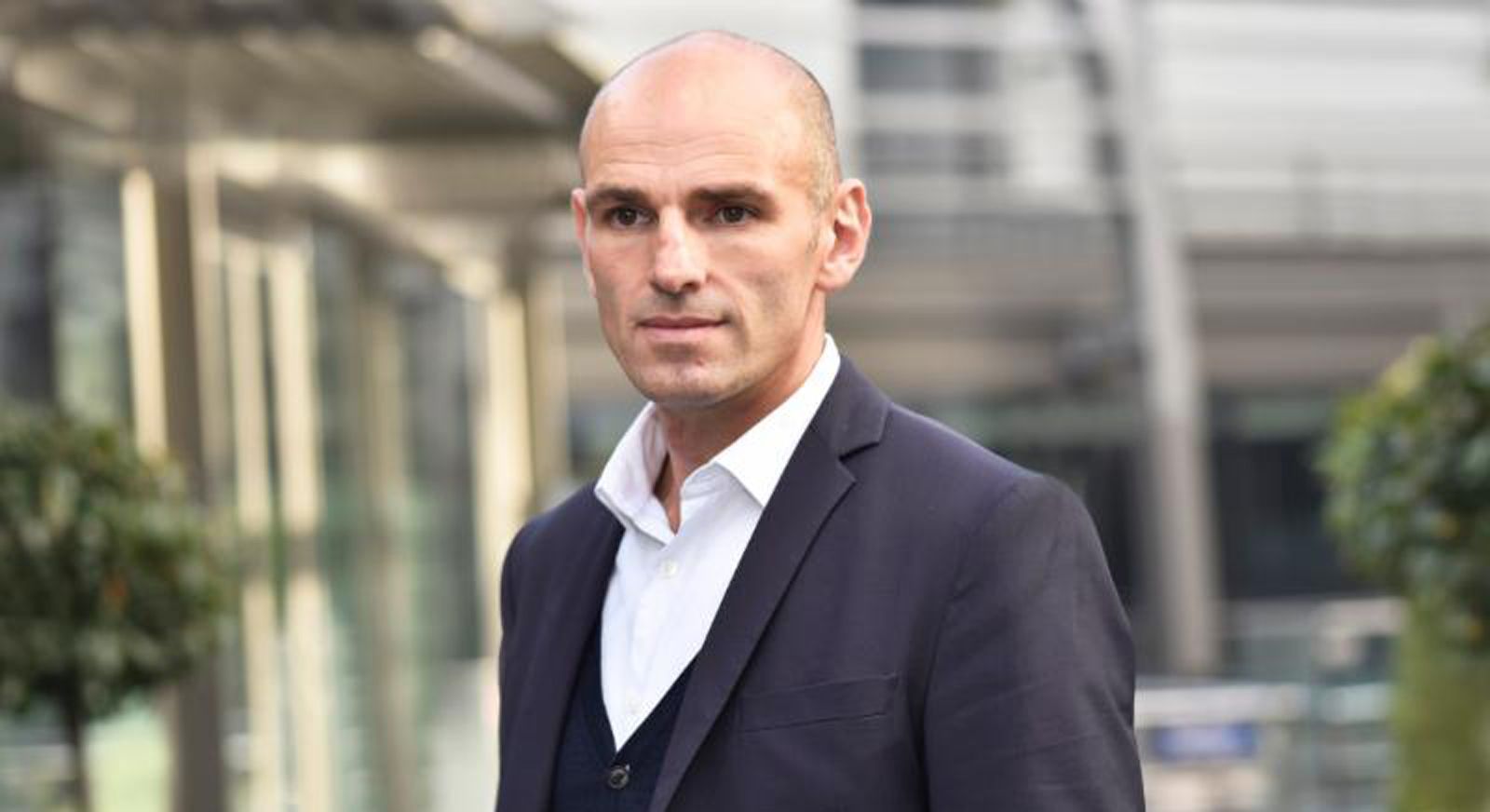
Jason Warnes, Digital Marketing Partner of Deloitte Digital, says, “As the pressure to improve marketing performance continues, the three key challenges I see for 2017 are: how clients will optimise their marketing experience; how can they use marketing technology to automate and personalise their customer experience; and how can they use disruption to define, develop and rapidly deploy new services and experiences to improve customer experience.”
Image over the headline.- Images © WARC and © Deloitte Digital. Composition, Eastwind.
Note of the editor.- This post is an elaboration on the press release sent by WARC for publishing, adding as well some cuts of the executive summary of the Toolkit 2017.